Popular Articles
 Car
20.10.2026
EV Battery SoH: What 80% Capacity Really Means
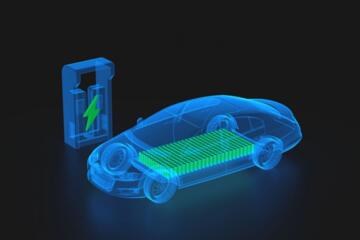
Battery State of Health (SoH) is essentially a snapshot of how much usable capacity an EV’s battery still has compared with when it was new—but the number is easy to misinterpret. This article explains what an “80% capacity” statement usually means, why SoH readings can differ depending on temperature, recent driving, charging patterns, and the tool or method used to measure it, and how those differences affect what you should conclude as a buyer. It also points out what data matters for warranty discussions (and what often doesn’t), then gives you practical steps to check SoH more reliably, example situations you’re likely to encounter when shopping, and a checklist to help you avoid drawing the wrong conclusions from a battery health report.
 Car
14.10.2026
ADAS: ISA, AEB and Driver Monitoring Explained
ADAS features like ISA, AEB, and driver monitoring use sensors and software to reduce crashes and manage driver attention. This guide is for car owners and shoppers who want clear, testable explanations rather than marketing claims. You’ll learn how each system works, what it can and cannot detect, which conditions trigger warnings or braking, and how to check settings, calibration, and limitations before relying on them.
 Car
08.10.2026
Event Data Recorder: What Your Car Can Record
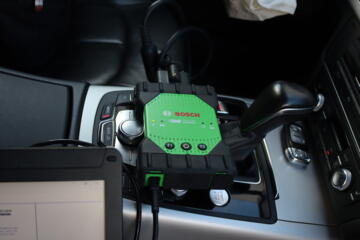
Event Data Recorder (EDR) systems log limited vehicle and crash-related data, such as speed, seat-belt status, and diagnostic trouble codes, during specific events. This guide helps drivers and families understand what EDRs record, what they usually do not record, and how that data can be requested or challenged. You’ll learn the common pain points, practical steps to review your vehicle’s documentation, and how EDR evidence differs from dashcams and phone data.
 Car
02.10.2026
Tire Tread: Legal Minimum vs Safe Replacement Point
Tire tread depth plays a big role in how quickly you can stop, how well your car grips on wet roads, and how likely you are to hydroplane. This article breaks down what the “legal minimum” tread depth really means day to day—and why waiting until you hit that limit can leave you with much less traction than you expect. You’ll learn practical, easy ways to measure tread at home or at a shop, see real-world examples of when tires become risky, and get a simple checklist to help you decide when it’s smarter (and safer) to replace them.
 Car
26.09.2026
EV Range: WLTP vs Real-World Driving Conditions
EV range numbers come from standardized tests, yet daily driving depends on speed, weather, road grade, tires, and charging habits. This guide explains how WLTP range is measured, why real-world results often differ, and how to estimate your own usable range. It also covers common buyer mistakes, practical planning steps, and a checklist for comparing EVs without relying on a single headline figure.
 Car
20.09.2026
EV Charging: kW vs kWh on Your Charging Bill
EV charging bills mix two different units: kW (power) and kWh (energy). This guide explains how each unit shows up in charging apps, station screens, and utility statements, so you can estimate cost per session and spot confusing charges. It’s for EV drivers who want to interpret charging receipts, compare tariffs, and understand why the same car can cost different amounts at different times or chargers. You’ll learn practical reading tips, common billing traps, and a simple checklist.
 Car
14.09.2026
Coolant: Boiling Point vs Freeze Protection
Coolant choices affect engine temperature control in heat and cold. This guide explains how boiling point and freeze protection work together, why “one number” ratings mislead, and how to read labels and specs for passenger cars and light trucks. You’ll learn what to check in the owner’s manual, how to interpret concentration and test results, and what symptoms point to overheating or freezing risk.
 Car
08.09.2026
Engine Oil: Viscosity Grades and Temperature Ranges
Engine oil viscosity grades describe how thick the oil is at cold starts and at operating temperature. This matters for wear, fuel economy, and how well oil flows to bearings and the timing system. This guide explains what the numbers mean (like 0W-20), how temperature ranges relate to real driving, and how to choose the right grade using your owner’s manual and oil specs. You’ll also find common mistakes, two educational scenarios, and a practical checklist.
 Car
02.09.2026
Battery CCA: What Cold-Cranking Amps Actually Mean
Battery CCA (Cold-Cranking Amps) describes how much current a car battery can deliver during a cold start test. This guide explains what the rating measures, why it changes with temperature, and how CCA interacts with battery age, vehicle load, and charging. You’ll learn how to read battery labels, compare CCA to reserve capacity, and avoid common shopping mistakes when winter weather reduces starting power.
 Car
27.08.2026
Brake Pad Wear: Minimum Thickness Explained
Brake pad wear affects stopping distance, noise, and rotor life. This guide explains what “minimum thickness” means, why manufacturers set limits, and how to measure pads safely. It’s for drivers who want reliable maintenance decisions without guessing. You’ll learn typical wear indicators, how pad material and driving style change wear rate, what to check beyond thickness, and when to schedule inspection or replacement.