Boiling Point Vs Freeze
Engine coolant does two jobs that compete for attention: it must resist boiling when the engine runs hot, and it must resist freezing when the ambient temperature drops. Boiling point relates to how the liquid behaves under pressure and heat, while freeze protection relates to how the mixture behaves as it cools toward the freezing range. Most modern vehicles use a premixed or concentrate-based ethylene glycol or propylene glycol coolant with corrosion inhibitors, so the chemistry affects more than temperature extremes.
In real driving, boiling risk shows up as rising coolant temperature, steam, loss of coolant, and sometimes air in the system after a hot shutdown. Freeze risk shows up as cracked components, a split radiator end tank, or a coolant expansion tank that looks “empty” after a cold snap. The same coolant can handle both, but only when concentration and the system’s pressure cap and seals match the manufacturer’s design.
As a practical example, a 50/50 water-antifreeze mix typically freezes below 0°C and raises the boiling point compared with plain water, but the exact numbers depend on the glycol type and the inhibitor package. If you swap coolant types without matching the spec, you can end up with the right temperature behavior and the wrong corrosion behavior, which later turns into leaks and clogged passages. I’ve seen people focus on the label’s “protection to -X°F” and ignore the required spec line, which is where many failures start.
Main Problems And Pain
People often treat coolant as a single temperature rating, then compare products using only the lowest freezing number or the highest boiling number. That approach misses how coolant systems work: the radiator cap sets system pressure, the thermostat controls flow, and the fan strategy changes heat rejection. A coolant with a high boiling point can still overheat if the cap is weak, the radiator is partially blocked, or the water pump impeller is worn.
Another common mistake is assuming “universal” coolant means “mixable.” Many coolants share glycol chemistry, but inhibitor packages differ across brands and vehicle families. Mixing can reduce inhibitor effectiveness or create deposits, and the result may not appear immediately. On a service invoice, the symptom might look like “coolant loss” or “heater not working,” while the root cause is corrosion or scale that started months earlier.
Concentration errors are frequent. Too little glycol lowers freeze protection and can reduce boiling margin, while too much glycol can increase viscosity and reduce heat transfer, especially at cold start. The owner’s manual usually targets a specific concentration range, often around 50/50, but some climates and some vehicle designs specify different ratios. If you top off with plain water repeatedly, the mixture drifts over time; if you top off with the wrong concentrate, it drifts in the other direction.
Supporting technologies matter because they change the coolant’s operating conditions. The pressure cap determines boiling margin by raising the saturation temperature at a given pressure. The coolant temperature sensor feeds the ECU, which controls fan speed and sometimes ignition timing. The thermostat and radiator design determine how long coolant stays in the hot zone, which changes how quickly boiling risk develops when airflow drops.
Solutions And Advice
Match The Spec, Not The
Start with the vehicle’s coolant specification in the owner’s manual or service information. Look for the exact standard or material compatibility requirement, such as ASTM D3306/D4985 for many ethylene glycol coolants, and the manufacturer’s own spec for inhibitor chemistry. If the manual lists a particular type (for example, “silicate-free” or “OAT/HOAT”), follow that wording rather than trusting a generic label.
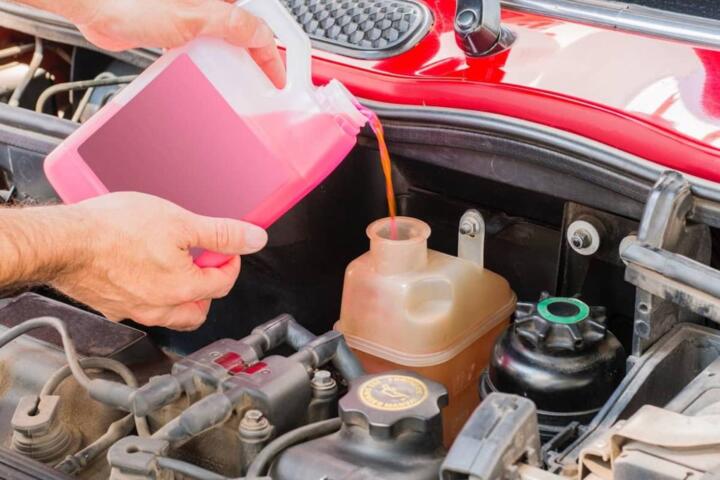
When you need to top off, use the same coolant type already in the system. If you cannot confirm the existing coolant, plan a drain-and-refill rather than repeated partial mixing. A mild aside from shop reality: many vehicles arrive with “green” coolant that was mixed over the years, and color alone rarely tells you the inhibitor package. On my own reading of label data, two different green coolants can still have different additive systems.
Use Concentration Targets
Check the concentration with a refractometer or a coolant test strip designed for glycol mixtures. Refractometers cost less than repeated overheating repairs, and they give a direct reading of glycol percentage. For many passenger cars, a 50/50 target is common, but the manual may specify a different ratio for extreme cold or for warranty reasons.
Record the reading after service. If you live in a region with winter lows near the coolant’s freezing range, a small drift in concentration can matter. If you drive mostly short trips, the system may not reach full operating temperature often, so inhibitor chemistry and air removal become more relevant than the boiling point number on a bottle.
Protect Pressure And Flow
Boiling margin depends on system pressure, so inspect the radiator cap and hoses for age-related wear. A cap that vents early reduces the saturation temperature margin and can trigger steam even when the coolant is “rated” for high boiling. Also check the thermostat operation and radiator fan control, since reduced airflow can push the coolant to its limit.
If you see repeated coolant loss after hot drives, pressure-test the system and check for external leaks before assuming the coolant is wrong. A small leak can also change concentration over time, which then changes both freeze and boil behavior. In one anonymized case, a vehicle overheated on highway climbs; the coolant was the correct spec, but the cap seal had hardened and the system cycled pressure too early.
Read Labels With Context
Coolant labels often state “protection to -X°F” and “boiling protection” in ways that depend on test conditions. Freeze protection usually refers to the freezing point or the range where freezing begins, not a guarantee that nothing will expand. Boiling protection depends on pressure and whether the coolant is mixed to the stated ratio.
Use the label to confirm the glycol type and the stated concentration, then cross-check the vehicle spec. If a product claims a boiling point without stating the test pressure or mixture ratio, treat that claim as less actionable. I’ve noticed some bottles list “boiling point” as a generic property of the coolant base, which does not match the real saturation temperature in a pressurized radiator.
Case Examples
Example 1: Cold snap with repeated top-offs. A driver in a northern climate topped off with “antifreeze” during a busy season without checking concentration. After a week of subzero nights, the expansion tank level dropped and a hose clamp area showed crusty residue. A refractometer reading showed glycol percentage below the target range, and a pressure test found no major leak. The fix involved correcting concentration to the manual’s ratio and flushing only if inhibitor compatibility was uncertain.
Example 2: Overheating after a cooling system service. A vehicle overheated during slow traffic after a coolant change. The coolant matched the label color and was purchased as “universal,” but the owner did not verify the vehicle’s required spec. The radiator cap was also older than the service interval. The shop measured coolant concentration, replaced the cap, and confirmed inhibitor compatibility before deciding whether a full flush was needed. The overheating stopped after restoring correct pressure behavior and removing the mixed coolant.
Comparison Table Or Checklist
| Decision Point | What To Check | Boiling Risk Clues | Freeze Risk Clues |
|---|---|---|---|
| Coolant Choice | Match the vehicle spec; confirm glycol type and inhibitor system | Steam after hot shutdown, coolant loss without obvious leaks | Cracks after cold nights, expansion tank empty after freezing events |
| Concentration | Measure with refractometer; correct to manual ratio | Overheating under load despite normal fan operation | Sluggish heater, coolant slush, repeated “mystery” losses |
| System Pressure | Inspect radiator cap; pressure-test if coolant loss repeats | Frequent venting, temperature spikes in traffic | No pressure clues; damage appears after cold exposure |
| Heat Rejection | Check thermostat, radiator airflow, fan control | Overheating with low airflow, fan not engaging | Heater weak at start can also reflect trapped air |
Quick checklist (decision support):
- Confirm the vehicle’s coolant spec and the required concentration range from the owner’s manual.
- Measure current glycol concentration with a refractometer; correct to the target ratio.
- If coolant loss occurs, pressure-test the system and inspect the radiator cap and hoses.
- Verify thermostat and fan operation during a controlled drive cycle; overheating under airflow loss points to heat rejection issues.
- Only mix coolants when you can confirm inhibitor compatibility; otherwise plan a drain-and-refill.
Common Mistakes
Color-based selection is the most common error. Coolant color varies by manufacturer and can change after service, so “green” does not guarantee the same inhibitor package or the same freeze/boil behavior. Another frequent mistake is ignoring the pressure cap condition; a weak cap reduces boiling margin even with correct coolant.
People also misread freeze protection claims. A label may state protection to a low temperature, but the system can still suffer damage if the mixture concentration drifts or if air pockets form. Coolant expansion tanks can hide the problem until after the cold event, so a “low level” report in spring can be the first clue.
Some owners top off repeatedly with water during summer overheating scares. That practice can worsen freeze risk later and can also change corrosion behavior. If the system overheated, the cause usually sits in airflow, thermostat behavior, pump wear, or pressure control, not in the coolant bottle alone.
Finally, people sometimes skip bleeding/air removal after service. Trapped air reduces heat transfer and can create localized hot spots that mimic “wrong coolant” symptoms. Bleeding procedures vary by vehicle; follow the manual rather than relying on a generic “fill and hope” method. On one service note I reviewed dated 2024-03, the technician marked “air purge completed,” but the owner still reported heater issues until the next bleed cycle.
FAQ
What does coolant boiling point mean?
It refers to how the coolant mixture behaves under specific pressure and heat conditions. In a vehicle, the radiator cap pressure and the coolant concentration determine the real saturation temperature margin, not the bottle’s generic number.
Does higher freeze protection always help?
Higher freeze protection usually comes from higher glycol concentration, but too much glycol can reduce heat transfer and raise viscosity. The owner’s manual ratio balances freeze resistance with cooling performance.
Can I mix different coolant brands?
Mixing can work only when the products meet the same vehicle spec and have compatible inhibitor systems. If you cannot confirm compatibility, plan a drain-and-refill rather than repeated partial mixing.
How do I measure coolant concentration at home?
Use a refractometer designed for glycol coolant mixtures and compare the reading to the manual’s target ratio. Test strips can be less accurate near the edges of the freezing range.
What symptoms point to low coolant concentration?
Cold-start heater weakness, coolant level changes after winter, and slushy behavior during extreme cold can indicate concentration drift. A refractometer reading confirms the cause better than visual inspection.
Author's Insight
Coolant temperature protection depends on more than the glycol’s base properties. System pressure control, concentration, inhibitor chemistry, and heat rejection components interact, so a “good” coolant can still fail if the cap, thermostat, or airflow path is off.
Evidence-based maintenance focuses on measurable inputs: concentration readings, pressure-test results, and spec matching. When those checks align, boiling and freeze risks drop together because the system stays within its designed operating envelope.
I do not have access to personal vehicle service records, so the guidance here synthesizes common engineering principles and manufacturer practices found in owner’s manuals and coolant standards. If your vehicle uses a specific coolant type or service interval, the manual remains the highest-priority reference.
Key Takeaways
- Boiling protection depends on coolant concentration and system pressure, especially the radiator cap.
- Freeze protection depends on glycol percentage and inhibitor compatibility, not just the lowest “-X°F” claim.
- Match the vehicle’s coolant spec and verify concentration with a refractometer when possible.
- Overheating and cold damage often trace back to pressure, airflow, thermostat, air removal, or concentration drift rather than the coolant label alone.