Topic Introduction
A quick monthly routine is a short set of checks that catches wear early: tires lose pressure, wiper blades harden, battery terminals corrode, and small fluid leaks show up before they become failures. The goal is not to replace professional service, but to reduce surprises by watching the same few systems on a predictable schedule.
Start with a 20–30 minute walk-around and a 5 minute cabin check. For example, note tire pressures when the car sits overnight, inspect tread and sidewalls, look for fresh wet spots under the engine bay, and confirm the wiper fluid level. Then check the dashboard for any stored warning lights and verify that the horn, lights, and turn signals work. On my last calendar review (I keep a simple checklist in a notes app), I found that the routine works best when it happens on the same day each month—like the first Saturday—so it doesn’t get pushed aside.
Problems Or Pain Points
Drivers often focus on “big” failures and miss the slow indicators that show up monthly. A slightly rough idle, a faint burning smell after driving, or a windshield that streaks can point to issues that are easier to address early.
Tire neglect is the most common pattern: underinflation increases rolling resistance and heat, which accelerates tread wear. Over time, uneven wear patterns can also hint at alignment or suspension problems. Brake dust alone does not diagnose brake health, but squealing, longer stopping distances, or a pulsing pedal are signals that deserve attention.
Fluid checks also get misunderstood. Windshield washer fluid is easy, but coolant and brake fluid require care because the correct level depends on engine temperature and reservoir design. Oil level checks can be misleading if the vehicle sits on a slope or if the dipstick procedure differs from the manual. Battery issues often look like “it won’t start” later, yet corrosion at the terminals can appear months earlier.
Solutions And Advice
Do A 30-Minute Walk-Around
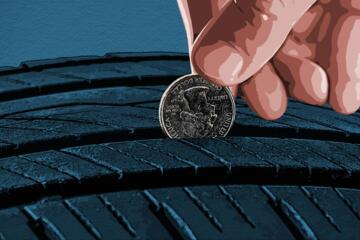
Plan a consistent sequence: tires, lights, leaks, and under-hood basics. Check tire pressures with a gauge when the car has been parked for several hours; compare to the door-jamb sticker, not the tire sidewall. Inspect tread depth and look for cracks in sidewalls or bulges that suggest damage. Confirm that headlights, taillights, brake lights, and turn signals work; a burned bulb is a safety issue and a ticket risk in many places.
Look for fresh fluid spots on the ground. Water from the air conditioner is normal, but oil sheen, coolant residue, or fuel smell deserves investigation. If you see a wet area, note its location and color before wiping it away; that detail helps a mechanic diagnose faster.
For a tool set, keep a tire pressure gauge, a flashlight, and a small rag. A digital gauge with a recent calibration date is helpful; one brand I’ve seen in garages is common enough that people mention it in reviews, but the key is accuracy and repeatability, not the logo. If you already own a gauge, compare its readings to a station gauge once to build confidence.
Check Fluids With Correct Method
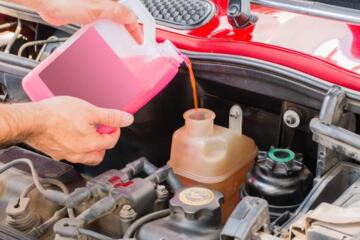
Use the manual for “cold vs warm” checks. Engine oil level usually requires the car on level ground and the engine off for a short period. Coolant level checks often require the engine to be cool to avoid burns; some reservoirs have “min” and “max” marks that guide you without guessing. Brake fluid level should be checked through the reservoir window when the system is designed for that view.
Windshield washer fluid is the easiest win: top it up and check the spray pattern. If the nozzles are clogged, you’ll see streaking or dry spots on the glass. Wiper blades should be inspected for cracking or smearing; replacing blades before heavy rain season often prevents streak complaints that lead people to blame the wrong part.
Track what you add. If you top off coolant or oil, record the date and approximate amount. A pattern of frequent top-offs suggests a leak or consumption issue that needs diagnosis rather than repeated refilling.
Inspect Filters And Belts
Air filters and cabin filters affect drivability and comfort. A clogged cabin filter can reduce airflow and increase window fogging. Many owners replace cabin filters every 12–24 months depending on dust and driving conditions, but the manual and filter condition should guide the interval. If you drive in heavy pollen or dusty areas, inspect more often.
Engine air filters can be checked visually if access is straightforward. If the filter looks heavily loaded with dust, replace it. Avoid blowing compressed air into the intake unless the manual allows it; debris can damage the mass airflow sensor or enter the engine.
Belts and hoses deserve a quick look for cracks, glazing, or fraying. A belt that looks fine can still fail, but visible wear is a reason to schedule inspection. If you hear squealing during startup or see belt dust, address it sooner rather than waiting for the next monthly cycle.
Case Examples
Example 1: Slow Coolant Drop
A driver notices the coolant reservoir level sits near the “min” mark after a month of normal driving. The next day, the dashboard shows no warning lights, yet the level remains low after the engine cools. The driver checks for wet spots near hoses and the radiator area, finds a damp residue near a hose clamp, and records the location. A mechanic replaces the hose clamp and inspects for seepage; after repair, the level stabilizes over the next two monthly checks. The key lesson is that monthly observation catches a leak before overheating occurs.
Example 2: Tire Pressure Warning That Doesn’t Match Reality
A driver sees a TPMS warning and assumes a tire is flat. The next morning, the tire pressure gauge shows only a modest drop, and the tire tread looks normal. The driver checks the valve stems for damage and confirms the pressures match the door-jamb sticker after topping up. The warning clears after driving, and the driver repeats the check two weeks later. The lesson is that TPMS thresholds and sensor behavior can trigger warnings for small changes, so a gauge-based check prevents unnecessary panic and repeated tire changes.
Comparison Table Or Checklist
| Check | What To Look For | If You Find It | Typical Time Cost |
|---|---|---|---|
| Tire Pressure | Low pressure vs door-jamb sticker; uneven wear | Top up, inspect valve stems, schedule alignment if wear is uneven | 5–10 min |
| Fluid Levels | Oil, coolant, brake fluid at marks; washer fluid full | Record amount added; investigate leaks if levels drop repeatedly | 5–15 min |
| Wipers And Lights | Streaking, cracked blades; burned bulbs | Replace blades; replace bulbs before the next rainy period | 5–10 min |
| Filters And Hoses | Dirty cabin/engine air filter; cracked hoses | Replace if visibly loaded; schedule inspection for cracked components | 10–20 min |
Common Mistakes
People often check oil level immediately after driving, which can produce a false reading. The manual’s procedure exists because oil drains and settles at different rates. Another frequent mistake is topping off fluids without recording the amount; repeated small additions can hide a leak.
Some drivers replace parts based on mileage alone while ignoring condition. A cabin filter can look clean after a mild winter, yet airflow still drops due to a clogged blower intake. Conversely, a filter can look dusty but still pass airflow; a visual check helps, yet it does not replace airflow testing when symptoms persist.
Battery terminals get cleaned incorrectly when people remove corrosion without protecting surrounding components. Use the right method and avoid spilling cleaner into nearby electronics. If you see heavy corrosion, a shop can inspect for internal battery damage.
Finally, many routines skip tire valve stem inspection. A damaged stem can leak slowly, and the monthly gauge check becomes the only way to catch it before a sudden pressure drop. I once watched a valve stem leak only when temperatures fell; the gauge showed the pattern, and the fix was a new stem rather than a tire replacement.
FAQ
How often should I check tire pressure?
Check at least monthly and after major temperature swings. Use a gauge and compare to the door-jamb sticker, then recheck after topping up to confirm the reading holds.
Can I top off coolant without knowing the type?
Do not mix coolant types unless the manual confirms compatibility. Use the exact specification listed in the owner’s manual, and check levels only when the engine is cool enough for safe handling.
What dashboard warning lights should I treat as urgent?
Red oil pressure, red brake warnings, and overheating indicators deserve immediate attention. Yellow engine or traction warnings often require diagnosis, but they usually do not justify ignoring the car’s behavior.
Do I need a cabin air filter every year?
Many vehicles tolerate longer intervals, but dust, pollen, and driving time in traffic can shorten the useful life. Inspect the filter and replace it when airflow drops or the filter looks heavily loaded.
Is a monthly routine enough to prevent breakdowns?
A monthly routine reduces avoidable failures by catching trends like pressure loss and fluid seepage. It does not replace scheduled maintenance items such as brake service, transmission service, and timing-related inspections in the manual.
Author's Insight
A monthly routine works best when it stays narrow and repeatable: the same checks, the same tools, and the same recording habit. Evidence from vehicle maintenance practice consistently points to early detection of leaks, pressure loss, and filter loading as the biggest wins for home inspection. The limits are real: some failures leave no visible signs until they happen, and sensor-based warnings can lag behind mechanical issues. If you want a practical upgrade, add a simple log with dates and readings; even a versioned spreadsheet (I’ve used “v1.3” style tabs for years) helps you spot trends instead of reacting to single events.
Key Takeaways
- Use a short monthly walk-around plus cabin checks to catch leaks, tire issues, and worn wipers before they escalate.
- Measure tire pressure with a gauge and compare to the door-jamb sticker; do not rely on the tire sidewall.
- Check fluids using the manual’s cold/warm procedure and record any top-offs to spot recurring problems.
- Inspect filters and visible hoses, then address symptoms like squeals, streaking, and pedal changes rather than guessing.
- Use dashboard warnings as prompts for diagnosis, not as a substitute for visual checks and basic measurements.