Event Data Recorder Basics
An Event Data Recorder (EDR) is a vehicle module that stores a small set of parameters around certain event triggers, most commonly crash or sudden deceleration. The stored data typically covers a short time window before and after the trigger, then the module retains the record for later retrieval. Many EDRs are integrated with or closely tied to the airbag control module, so the same system that decides whether to deploy airbags can also log event context.
In practical terms, an EDR record may include vehicle speed, brake status, seat-belt use, steering input, and whether airbags deployed. Some systems also store diagnostic information such as certain fault codes present at the time of the event. The exact list depends on the vehicle make, model, model year, and the EDR’s configuration, and the data is not a general-purpose “video recorder.”
If you have ever wondered why a crash report mentions “pre-crash speed” or “restraint use,” EDRs are one reason that those details can exist in a structured form. A dashcam records continuously, while an EDR records only when its trigger conditions are met, and it records numbers rather than scenes.
Common Misunderstandings And Dependencies
People often assume EDRs behave like black boxes that capture everything that happened. EDRs usually capture a limited set of parameters, and they do not record audio, video, or GPS tracks in the way a phone or dashcam does. Even when a vehicle has telematics, the EDR record is not automatically the same as what a connected-services account stores.
Another misunderstanding involves timing. EDRs store data around an event trigger, so the record may not reflect normal driving minutes before the crash. If the trigger threshold is not met, the module may store nothing for that incident, even if the driver feels the event was severe.
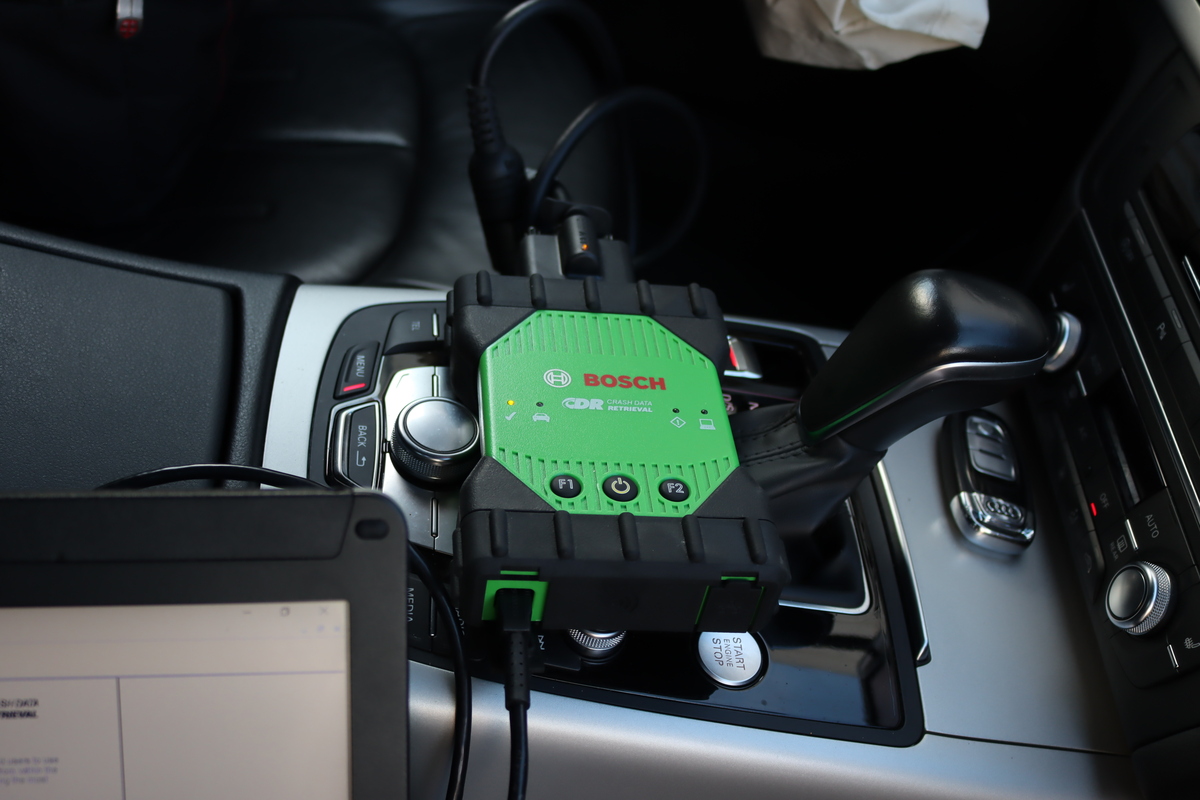
EDR interpretation also depends on supporting technologies. The data is typically read using manufacturer-specific diagnostic tools or approved third-party interfaces, and the meaning of each parameter can vary by platform. A “speed” value might be derived from wheel sensors, a vehicle network message, or an internal model, and the units and scaling can differ by system.
Legal and procedural dependencies matter too. In many jurisdictions, EDR data is treated as part of the vehicle’s electronic records, but access often requires proper authorization and a documented chain of custody. If a vehicle is repaired or reprogrammed after the event, the EDR record may be overwritten or become harder to retrieve, depending on the module’s design.
How To Evaluate EDR Evidence
Start With Your Vehicle Documentation
Locate the owner’s manual and any supplemental documents for your specific model year, then search for terms like “event data,” “EDR,” “airbag control module,” or “sensing and diagnostic information.” Many manuals describe the general categories of data collected, while the precise parameter list often remains manufacturer-specific. If you have the VIN, you can also ask the dealer service department whether your vehicle has an EDR and what module it is tied to, though they may not disclose the full parameter map.
As a practical aside, I’ve seen manuals that reference “sensing and diagnostic module” language without naming EDR directly; the wording changes by region and model. In one case, a 2022 owner’s manual used a broader “vehicle data” term while the airbag section referenced event-related recording.
Separate EDR From Dashcam And Telematics
EDR data is event-triggered and parameter-based, while dashcams record continuous video and audio. Connected services may store location, speed, and crash notifications, but those records depend on subscription status, consent settings, and whether the vehicle’s modem was active. If you are building a timeline, treat each source as a different measurement system with different failure modes.
For example, a dashcam might show lane position and lighting conditions, while the EDR might show restraint status and pre-trigger speed. If the dashcam was not powered, or if the camera’s storage filled, the EDR record could still exist, but it will not replace the missing visual context.
Request Data Using Proper Channels
If you need EDR data for an insurance claim or legal matter, request it through the process your jurisdiction and insurer require. Many cases involve an inspection by a qualified technician using approved tools, followed by a report that lists the parameters and their timestamps relative to the trigger. Keep copies of every request, authorization, and inspection report, since disputes often turn on who handled the vehicle and when.
In the U.S., the National Highway Traffic Safety Administration (NHTSA) has published guidance on EDRs and how they relate to crash investigation, and it also references the role of airbag control modules. The exact steps for obtaining data vary by country, so treat any local instructions from your insurer, attorney, or regulator as the controlling process.
Interpret With Caution And Context
EDR numbers can be accurate, but interpretation can still be wrong when the analyst assumes the wrong event trigger or ignores vehicle-specific scaling. Ask for the parameter list, the units, and the method used to read the module. If a report states “brake applied” or “seat belt fastened,” confirm whether those are direct sensor states or inferred signals.
Also check whether the vehicle was repaired or reprogrammed after the crash. Some modules may overwrite stored records after certain maintenance actions, and some diagnostic sessions can change what later reads show. A mild frustration many people run into: reports sometimes summarize results without showing the raw parameter table, which makes it hard to verify the conclusion.
Educational Case Examples
Scenario 1 (Rear-End Claim): A driver files an insurance claim after a rear-end collision. The other party’s expert requests EDR data from both vehicles. The EDR report for the struck vehicle shows pre-trigger speed and seat-belt status, while the report for the rear vehicle shows brake status and whether airbags deployed. The timeline dispute centers on whether the rear vehicle’s braking began before the trigger threshold, so the analyst compares the EDR’s pre-trigger window to the dashcam’s frame timestamps.
Scenario 2 (Single-Vehicle Loss of Control): A driver reports a loss of control on a wet curve. The vehicle’s EDR record includes steering input and vehicle speed around the event trigger, but it does not include road friction or tire tread depth. The investigation also uses weather data and tire inspection results. The EDR helps confirm that the trigger occurred during a rapid deceleration phase, while it cannot by itself explain why traction failed.
EDR Vs Other Data Sources
| Source | What It Records | When It Records | Common Limits |
|---|---|---|---|
| EDR | Limited crash/event parameters (speed, restraint status, some diagnostics) | When trigger thresholds are met | No video/audio; parameter list varies by vehicle |
| Dashcam | Continuous video/audio (if powered) | Continuously during operation | May miss the moment if power/storage fails |
| Telematics | Location, speed, crash notifications (depends on service) | During connectivity and configured events | Depends on subscription, consent, and modem uptime |
| OBD-II Logs | Trouble codes and some live data (varies by scanner) | When codes are set; live data during reads | Not a crash timeline; may be cleared during service |
Decision checklist: gather the vehicle’s model-year documentation, preserve the vehicle for inspection, request EDR data through authorized channels, and compare EDR timing to dashcam or other independent timestamps before drawing conclusions.
Common Mistakes That Reduce Trust
One frequent mistake is treating an EDR report as a complete narrative. EDRs record selected parameters, so a report that lists numbers without explaining their scope can mislead readers into assuming it covers everything that mattered.
Another mistake involves missing the chain of custody. If the vehicle is repaired, reprogrammed, or scanned by multiple parties before the EDR is read, the record may be overwritten or the module may show a different state than at the time of the crash.
People also over-trust summaries that omit raw values. A credible report usually includes the parameter list, units, and the event timing reference. If a report only states conclusions like “braking occurred” without showing the underlying data, you lose the ability to verify the interpretation.
Finally, avoid assuming that “no EDR data” means “no event.” Trigger thresholds vary, and some vehicles may store limited records depending on the crash characteristics. A careful investigation checks multiple sources rather than relying on a single module.
FAQ
Does An EDR Record Video Or Audio?
EDR systems typically store numeric vehicle and restraint parameters around an event trigger. They usually do not record video or audio; dashcams and phones are the common sources for those media types.
How Long Does EDR Data Last?
EDR retention depends on the module design and whether it gets overwritten by later events or certain service actions. After a crash, preserving the vehicle and reading the module promptly improves the chance of retrieving the original record.
Can I Get My EDR Data Directly?
In many places you can request access through the vehicle owner’s rights process, but the actual retrieval often requires a qualified technician and authorized tools. Insurers and legal proceedings frequently control the timing and method of extraction.
Do All Cars Have The Same EDR Data?
No. The parameter list, trigger logic, and scaling vary by manufacturer, model, and model year. A report should identify the vehicle platform and the parameters it captured.
Is EDR Data Admissible In Court?
EDR data can be used as evidence, but admissibility depends on local rules and the reliability of the extraction and interpretation. Courts often focus on chain of custody, tool validation, and whether the report explains limitations.
Author's Insight
EDR systems sit in a narrow role: they capture a small set of crash-related parameters when trigger conditions are met, not a full record of driving. That design choice explains why EDRs can strengthen certain timelines while still leaving gaps about road conditions, driver intent, and vehicle dynamics beyond the logged parameters.
When reading EDR material, treat the parameter list as the primary evidence and the narrative as a secondary interpretation. If a report omits units, timing references, or the method used to extract the data, the reader’s confidence should drop.
For practical handling, preserve the vehicle, document every step, and compare EDR timing to independent sources like dashcam timestamps. I’ve also noticed that some investigators use tool versions and software build identifiers in their notes (for example, a diagnostic tool labeled “vX.Y”), which helps later verification when disputes arise.
Key Takeaways
- EDRs record limited crash/event parameters around trigger thresholds, not video, audio, or a complete driving log.
- Parameter lists and scaling vary by vehicle platform, so interpretation depends on the specific model year and extraction method.
- Preserve the vehicle and follow authorized channels to reduce the risk of overwriting or losing the original record.
- Use EDR data alongside dashcam, telematics, and physical evidence, since each source has different timing and limitations.