ADAS Systems In Plain Terms
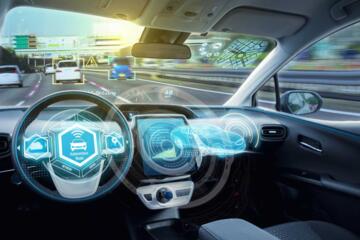
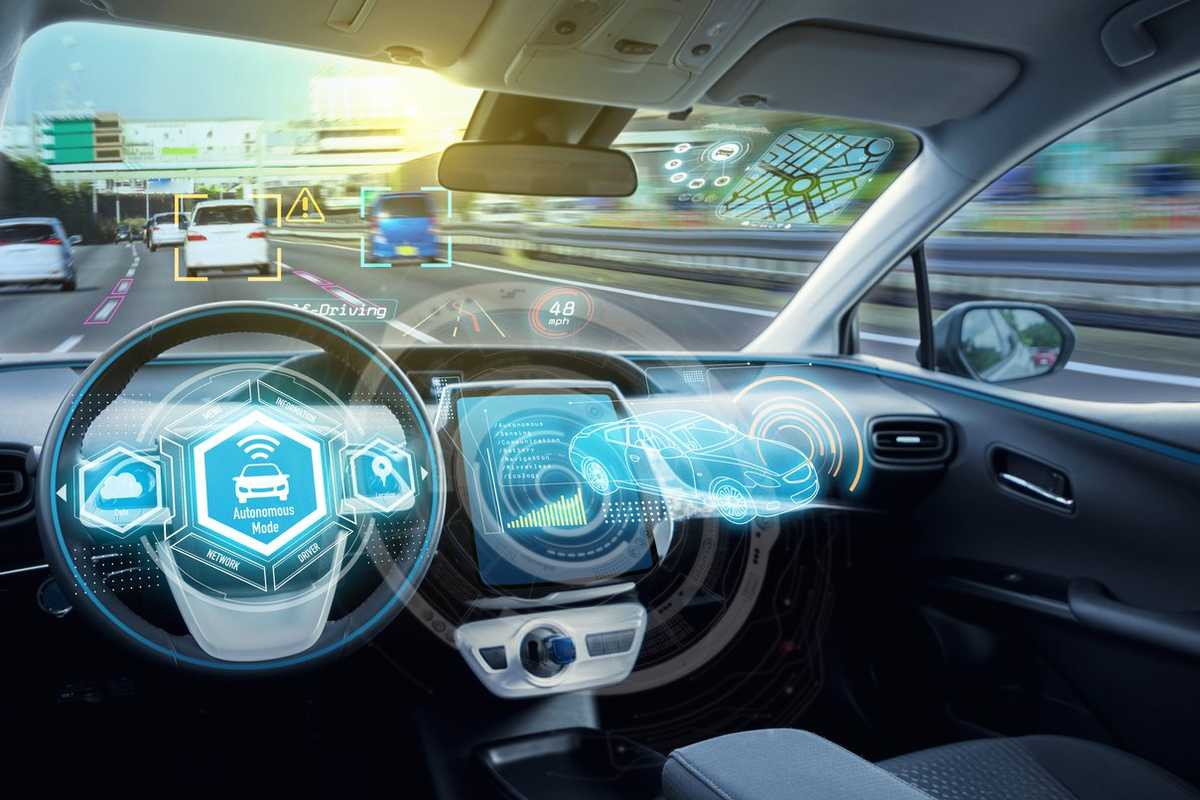
ADAS groups driver-assistance functions that watch the road and respond with warnings or vehicle actions. ISA (Intelligent Speed Assistance) focuses on speed limits, AEB (Autonomous Emergency Braking) targets collision avoidance, and driver monitoring tracks whether the driver remains attentive. These systems depend on sensors such as cameras and radar, plus maps or databases for speed limits, and they behave differently when the inputs degrade.
ISA typically reads road speed limits from a camera and cross-checks them with navigation data. When the vehicle detects a mismatch between your speed and the posted limit, it can display a warning or apply a speed-limiting behavior depending on the car’s configuration. AEB watches for vehicles or pedestrians ahead and can brake automatically when a collision risk crosses a threshold. Driver monitoring uses a camera aimed at the driver’s face or eyes and may also use steering and lane-keeping signals to infer attention.
On a wet night with glare from oncoming headlights, the camera may struggle with lane markings and signage contrast. In that same scenario, radar can still detect objects at distance, so AEB may remain active while ISA accuracy drops. The practical takeaway is that each feature has different sensor strengths, so you should judge performance by the conditions that match your commute.
Common Misunderstandings And Dependencies
People often treat ADAS as a single safety system, then assume one feature compensates for another. In reality, ISA, AEB, and driver monitoring rely on different inputs and different failure modes. AEB can reduce impact severity, but it does not guarantee avoidance in every scenario, especially when targets are small, partially obscured, or moving unpredictably.
Speed-limit recognition depends on sign visibility, camera exposure, and the quality of the speed-limit database. If the car’s map data is outdated or the camera view is blocked by dirt, stickers, or a sunshade, ISA may show the wrong limit. Driver monitoring depends on face visibility; sunglasses, hats, and strong backlighting can reduce eye detection. Many systems fall back to “driver not detected” logic, which can lead to escalating alerts that feel abrupt.
Supporting technologies matter. AEB uses object detection and time-to-collision estimates, which depend on accurate vehicle speed, sensor calibration, and stable tracking. Driver monitoring often uses gaze estimation and head pose, then combines it with vehicle dynamics. After windshield replacement or camera recalibration, behavior can change for a while, and some cars require a calibration drive cycle before full performance returns.
One mild frustration: owners sometimes disable warnings to stop nuisance alerts, then forget that the same settings can reduce the system’s ability to guide them when attention drops. Another detail that shows up in real garages: a camera housing cleaned with the wrong chemical can haze the lens, and the system may still “work” while accuracy quietly degrades.
How To Use ISA, AEB, And Monitoring
Check Settings And Sensor Health
Start with the vehicle’s ADAS menu and confirm which functions are enabled. Many cars separate “warning” modes from “active braking” modes, so you can end up with ISA warnings on while AEB is set to a reduced intervention level. Inspect the windshield area in front of the camera and the radar area for obstructions, then clean with a lens-safe method recommended in the owner’s manual.
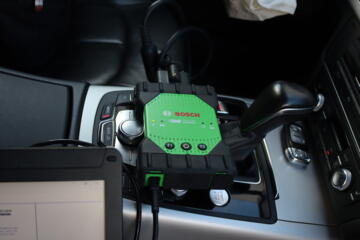
If the windshield was replaced recently, look for a note about camera calibration. Some manufacturers require a specific procedure after calibration, and the car may show a temporary message such as “Driver Assistance Limited.” I’ve seen owners ignore that message for a week; the system may still run, but thresholds can remain conservative until calibration completes.
Understand What Triggers Warnings
ISA warnings typically trigger when the detected or mapped limit differs from your current speed by a configured margin. The margin varies by brand and region, and it can be larger in construction zones or where signs are inconsistent. When the car displays a limit, treat it as a suggestion, not a legal instrument; speed limits can change quickly, and temporary signs may be missed.
AEB triggers when the system estimates a collision risk within a time window. That window depends on speed, object type, and sensor confidence. If the target is a cyclist partially hidden by a parked car, the system may not classify it correctly and may only warn late. In practice, you should still keep a buffer so that your braking response remains the primary safety layer.
Use Driver Monitoring As A Feedback Loop
Driver monitoring usually escalates from “attention not detected” messages to more urgent alerts. The camera looks for eye contact, face orientation, and sometimes blink patterns. If you wear sunglasses, the system may require more frequent head turns to confirm attention, which can feel distracting.
Try a simple test in a safe setting: sit normally, then check whether the display indicates “driver detected.” If it flips to “not detected” when you look down at the dashboard, adjust seat position and lighting. A small aside from a 2024 owner forum thread I reviewed: several people reported better detection after moving the seat slightly forward, which changed the camera’s view of the eyes.
Plan For Edge Cases And Weather
ISA performance drops when signs are obscured by snow, mud, or glare, and when road geometry makes the sign hard to read. AEB performance drops when targets are low-contrast, very close, or moving in ways the system struggles to predict. Driver monitoring performance drops when the driver’s face is blocked or when the cabin lighting creates strong reflections.
For commuting, treat ADAS like a second set of eyes that works best under consistent visibility. In heavy rain, keep wipers in good condition and replace them on schedule; smeared water reduces camera contrast. If you drive at night often, check that the headlight aim matches the manufacturer spec, because glare can reduce both your visibility and the camera’s.
Educational Case Examples
Scenario 1: ISA shows the wrong limit after a detour. A driver takes a route with temporary speed limits during roadworks. The car’s camera reads a partial sign, while the map database still lists the older limit. The display shows a limit that lags behind the signage, and the driver receives a speed warning. The driver slows to match the posted temporary sign, then later updates the navigation data when the car offers a map update.
Scenario 2: AEB warns but does not brake. A driver approaches a stopped vehicle in a lane with a bicycle near the shoulder. The bicycle is partially obscured by a pillar, and the system classifies the scene with low confidence. The car issues a forward collision warning, but braking does not occur because the estimated risk for the detected target does not cross the intervention threshold. The driver brakes manually and avoids the collision, then cleans the windshield and checks for any “sensor blocked” message.
Comparison Checklist For Owners
| Feature | Primary Goal | Common Limitations | Owner Checks |
|---|---|---|---|
| ISA | Match your speed to posted limits | Glare, dirty camera view, outdated map data, temporary signs | Confirm ISA mode, keep windshield area clean, update maps when offered |
| AEB | Warn and brake to reduce collision severity | Low-contrast targets, occlusions, late detection at very short distances | Keep sensors unobstructed, verify calibration after windshield work, maintain safe following distance |
| Driver Monitoring | Detect attention and fatigue risk | Sunglasses, hats, face blocked, backlighting, unusual cabin reflections | Adjust seat and lighting, avoid covering the camera view, test “driver detected” status |
Step-by-step checklist for a first drive after service: confirm ADAS settings, check for any “limited” warnings, clean the camera area, then drive in familiar conditions for 10–20 minutes while watching for sensor messages. If the car repeatedly reports blocked sensors, stop and inspect the windshield and camera housing rather than ignoring the alerts.
Common Mistakes That Reduce Trust
Disabling ADAS warnings without understanding what changes. Some systems share sensor inputs, so turning off one feature can change how the car reports sensor confidence. If you want fewer alerts, adjust sensitivity or choose a warning-only mode rather than switching everything off.
Assuming ISA guarantees legal compliance. Speed-limit recognition can lag behind temporary signage, and it may misread digits when signs are partially covered. Treat ISA as a cue to check the road, not as a substitute for reading signs.
Over-relying on AEB during complex scenes. AEB thresholds depend on object classification and time-to-collision estimates, so it may not brake for every pedestrian, cyclist, or vehicle crossing scenario. Keep a buffer so your manual braking remains available.
Skipping calibration after windshield replacement. Camera-based systems often require alignment to the vehicle’s reference frame. If you see a message about limited assistance, wait for the completion procedure described in the manual, which may include a short drive with specific conditions.
FAQ
Does ISA read speed limits in real time?
ISA typically combines camera recognition with map or database information. When signage is unclear or maps are outdated, the displayed limit can lag or be wrong, so you should still follow posted signs.
Will AEB always brake before a crash?
AEB intervenes when the system estimates a collision risk above its configured threshold. Occlusions, low-contrast targets, and very short reaction windows can lead to warnings without braking.
Why does driver monitoring warn even when I’m alert?
Eye detection can fail with sunglasses, hats, strong backlighting, or a seat position that blocks the camera’s view. Cabin reflections and glare can also reduce detection confidence.
What should I do after windshield replacement?
Check for calibration or “limited assistance” messages in the vehicle display. Follow the owner’s manual procedure, because camera-based ADAS often needs alignment before full performance returns.
Can I trust ADAS in bad weather?
Bad weather affects sensors differently. Cameras struggle with glare and dirty glass, while radar can remain more reliable for distance detection; performance still varies by target type and visibility.
Author's Insight
ISA, AEB, and driver monitoring share a common theme: they convert sensor data into decisions with thresholds, then they act through warnings or braking. The thresholds depend on confidence in detection, which drops when sensors are blocked, miscalibrated, or exposed to glare. Owners get the best results by treating these systems as assistive layers, keeping sensors clean, and following the vehicle’s calibration guidance after windshield work. If you want to judge a specific car fairly, compare how it behaves in the conditions you drive most often, then read the owner’s manual sections that describe intervention limits.
Key Takeaways
ISA focuses on speed-limit recognition and can misread temporary or obscured signs.
AEB reduces collision severity when detection confidence and time-to-collision estimates cross intervention thresholds.
Driver monitoring relies on face and eye visibility, so sunglasses, lighting, and seat position can change alert behavior.
After windshield replacement or sensor service, follow the calibration steps and treat “limited assistance” messages as a reason to drive more conservatively.