Used Car Inspection Basics
A used vehicle inspection checks three things: physical condition, evidence of past repairs, and how the car behaves under load. A clean exterior does not prove the engine runs well, and a recent oil change does not prove the cooling system stayed healthy. Plan for a 30–60 minute on-site check plus a test drive long enough to reach steady speeds and slow stops. Bring a flashlight and a tire-pressure gauge; a phone camera helps you document findings for later comparison.
Problems And Pain Points
People often focus on the engine bay and miss the systems that fail quietly. Cooling leaks, worn suspension bushings, and failing wheel bearings can look minor until the car is driven on rough roads. Electrical issues also show up as symptoms: intermittent wipers, slow power windows, or warning lights that clear after a restart.
Another common mistake is trusting a “no warning lights” claim without checking the instrument cluster yourself. Many cars store codes in the powertrain control module even when the dashboard looks normal. A basic scan tool can read stored and pending codes, and a shop scan can confirm whether codes relate to emissions, misfires, or transmission behavior. The seller’s phone app may show live data, but it rarely explains why a code was set.
Inspection depends on supporting technologies and records. Tire wear patterns link to alignment and suspension health, but you need a baseline like tread depth and evenness across all four tires. Service records link to maintenance intervals, but you must match them to the vehicle’s mileage and driving type. Even the vehicle identification number (VIN) matters because it ties to recalls and factory specifications; a mismatch between VIN and paperwork is a hard stop.
Solutions And Advice
Verify Paperwork And Recalls
Before you inspect the car, record the VIN and check recall status through the manufacturer’s recall lookup or an official government portal. Recalls differ from warranties: a recall repair is performed at no cost when the remedy applies, while a warranty claim depends on coverage terms. Ask for the vehicle’s title status and confirm it matches the seller’s identity and location. If the car has a branded title history, request the exact reason and date; branded history changes resale value and can affect insurance terms.
For maintenance, request receipts or a service log with dates and mileage. A pattern like “oil every 10,000 miles” should match the vehicle’s recommended interval and the car’s usage. If the seller offers only a verbal summary, you can still proceed, but you should treat the car as higher risk and spend more time on mechanical checks.
As a small aside from field practice: I often see buyers skip the VIN step because they assume the listing photo is enough. A VIN check takes a few minutes and prevents the “wrong car” problem that happens more than people expect.
Inspect Exterior, Tires, And Brakes
Walk around the vehicle in bright light and look for panel gaps, mismatched paint sheen, and uneven reflections. Check the hood and trunk for signs of overspray near seams. Inspect door edges and the underside of the rocker panels for rust bubbles; surface rust is different from structural corrosion.
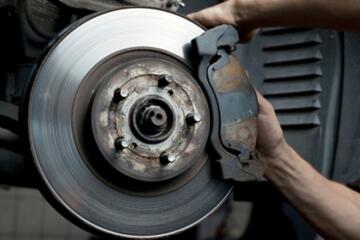
Measure tire tread depth at multiple points on each tire. Uneven wear can point to alignment issues, worn suspension components, or a dragging brake. If the tires are new but the tread wear on the other tires is uneven, ask why the replacement happened. Brake inspection should include wheel condition, rotor surface, and brake dust patterns; heavy vibration during braking often links to warped rotors or uneven pad material.
For a quick brake test, press the brake pedal firmly while stationary. A healthy pedal feel stays consistent; a pedal that sinks slowly or feels spongy can indicate air in the lines or a failing master cylinder. If the car has an anti-lock braking system, you can also listen for pump noise during a controlled stop on a safe road.
Check Engine Bay And Fluids
Open the hood and look for fluid leaks around the valve cover, oil pan seam, power steering lines, and radiator hoses. Check coolant level and condition; cloudy coolant or crusty residue around caps can signal neglected maintenance. Inspect belts and hoses for cracks, glazing, or swelling. A dry engine bay is a good sign, but it does not prove the car has no leaks; wipe marks can hide seepage.
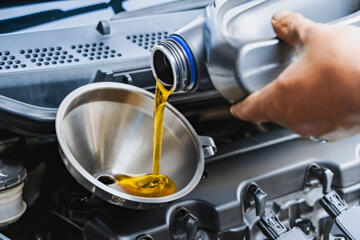
Check the oil fill cap for “mayonnaise” residue, which can indicate coolant contamination in some engines. Look at the dipstick for level and smell; burnt oil smell can point to overheating or extended intervals. If the seller recently changed oil, the dipstick may look clean, so you should also look for leaks and check for stored codes during the test drive.
As an incidental detail: a $20–$40 OBD-II reader can show stored codes, and many models display “pending” codes separately. On one 2023 model I reviewed for a friend, the dashboard stayed dark while the scan tool showed a pending misfire code; the car ran rough only after warm-up.
Case Examples
Scenario 1: A buyer inspects a 2016 sedan with 92,000 miles. The exterior looks clean, and the seller provides receipts for oil changes, but the tires show different tread depths front-to-rear. During the test drive, the car pulls slightly left under braking and the steering wheel vibrates at 45–55 mph. A shop scan later shows stored codes related to wheel speed sensors, and a mechanic finds a sticking caliper and worn front pads. The buyer still buys the car after repairs, but only after confirming the brake work and alignment were completed.
Scenario 2: A buyer checks a compact SUV with 68,000 miles and sees no warning lights. The engine starts quickly, and the idle sounds normal. The buyer measures tread depth and finds the rear tires are more worn than the front, which suggests either alignment neglect or a driving pattern that stresses the rear. On a warm test drive, the transmission shifts with a brief delay from stop. A pre-purchase inspection finds degraded transmission fluid and a minor leak at a cooler line. The buyer walks away because the seller cannot document prior transmission service.
Checklist And Tradeoffs
| Check | What You Look For | Common Red Flag | Next Step |
|---|---|---|---|
| VIN And Recalls | Match VIN on car and documents; recall status | VIN mismatch or unresolved safety recall | Request remedy proof or skip the deal |
| Tires And Alignment | Tread depth at 4 locations; evenness | Uneven wear across axles | Inspect suspension and request alignment check |
| Fluids And Leaks | Oil, coolant, brake fluid condition | Wetness near hoses or crusty residue | Pressure test cooling and inspect undercarriage |
| OBD Codes | Stored and pending codes | Misfire, EVAP, or transmission-related codes | Get a shop diagnosis before negotiating |
| Brake And Steering | Straight-line braking feel; no shake | Pulling or vibration | Inspect rotors, calipers, and alignment |
| Transmission Behavior | Engagement timing; smooth shifts | Slipping or harsh jolts | Confirm fluid service history and scan data |
If you want a simple decision rule, treat “paperwork mismatch” and “stored codes that match symptoms” as deal-stoppers until a shop explains the cause. Treat “cosmetic issues with no mechanical symptoms” as negotiable, not automatic rejection. The goal is to separate repairable wear from hidden damage.
Common Mistakes
Skipping a cold start check hides many problems. Some engines misfire only after warm-up, and some battery-related electrical issues show up when the car sits overnight. A cold start also reveals exhaust smoke patterns that disappear after the engine reaches temperature.
Relying on a seller’s phone video can miss details like dashboard warning icons, subtle steering pull, or a slow power window. A short video also cannot capture how the car behaves under repeated braking. If the seller insists on limiting your test drive, the limitation itself becomes a risk factor.
Ignoring tire date codes wastes time later. Tires can look new while aging from heat cycles; date codes printed on the sidewall show the production week and year. A mismatch between tire age and the seller’s “recent replacement” story should trigger follow-up questions and closer inspection of suspension and alignment.
Over-negotiating based on one issue can also backfire. A single worn brake rotor might cost less than a transmission repair, but a pattern of small issues can add up. Buyers who total only the visible items sometimes miss the cost of diagnosis, which often starts at the shop’s hourly rate and can exceed the price of minor parts.
FAQ
What Should I Check First?
Start with VIN matching and recall status, then verify the title paperwork matches the seller. After that, measure tire tread depth and inspect for active leaks before you test drive.
Do I Need An OBD-II Scan?
A basic OBD-II scan helps you spot stored and pending codes that the dashboard may hide. Use it to decide whether a shop diagnosis is worth the cost.
How Long Should The Test Drive Be?
Plan for at least 20–30 minutes so the engine reaches operating temperature and you can test steady speeds plus braking from moderate speed.
What Warning Lights Matter Most?
Pay close attention to powertrain, transmission, ABS, and overheating indicators. Lights that appear only intermittently still deserve a scan and a symptom match.
Should I Buy If The Car Has Repairs?
Repairs can be fine when the seller provides receipts and the car’s behavior matches the repair. Repairs without documentation and with matching symptoms raise the risk of repeat failures.
Author's Insight
Used-vehicle inspection works best when you treat it like evidence collection rather than a checklist ritual. VIN and recall checks reduce the chance of buying a car with unresolved safety issues, while tire measurements and scan codes help you connect symptoms to likely systems. Many problems show up as patterns across multiple checks, not as one dramatic failure. If you face conflicting evidence—clean exterior but stored codes, or new tires but uneven wear—pause and ask for a shop diagnosis before negotiating price.
Key Takeaways
- Verify VIN, title details, and recall status before spending time on mechanical checks.
- Measure tire tread depth and inspect for uneven wear to catch alignment and suspension issues.
- Look for fluid leaks and belt/hoses condition, then confirm behavior with a warm test drive.
- Use an OBD-II scan to find stored or pending codes, and match codes to symptoms.
- Walk away when paperwork conflicts with the vehicle or when scan results match serious test-drive symptoms without a clear repair explanation.