Road Trip Health And Car
A road trip stresses both the vehicle and the driver’s body. Long sitting times can worsen circulation, and heat or poor ventilation can aggravate dehydration and headaches. In parallel, small mechanical issues grow into roadside failures when you add 300–800 km of continuous driving. This article is for drivers planning a multi-hour trip who want a practical pre-departure checklist that reduces health risk and travel disruption.
Plan for the first 2 hours.
Two evidence-based facts anchor the prep. First, the U.S. National Highway Traffic Safety Administration reports that fatigue is a factor in many crashes, and drowsy driving is a known risk on long trips. Second, the U.S. National Weather Service warns that heat illness risk rises quickly when the body can’t cool itself, especially during exertion and when hydration is inadequate. Even if you feel fine at departure, heat and dehydration can change how you perceive distance and reaction time.
Pain Points And Risks
People often treat road-trip prep as a single “car check” and ignore the driver’s physiology. When you drive for 3–4 hours without planned breaks, you tend to reduce micro-movements, which can worsen stiffness and increase discomfort. That discomfort can distract you, and distraction is a real contributor to near-misses. If you add heat, poor ventilation, or strong odors, you may also notice nausea or headaches that make concentration harder.
Skip the guesswork. Measure.
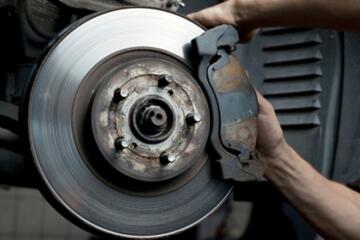
Drivers also misjudge vehicle risk by focusing only on warning lights. A car can feel normal while tires are underinflated, brake pads are near their wear limit, or the battery is weak under load. In real-world terms, a weak battery may start the car in the driveway but fail after repeated starts at rest stops. That failure mode is frustrating because it looks like “bad luck,” yet it often traces back to measurable conditions like battery age and cold-cranking performance.
Skip the timer apps. They add one more thing to manage.
Supporting technologies can help, but they can also hide problems. Tire Pressure Monitoring Systems (TPMS) alert you when pressure drops below a threshold, yet many systems do not report the exact pressure value. Navigation apps can route you around traffic, but they may not account for road closures that affect access to rest areas. Cabin air filters can reduce particulate exposure, but they do not stop carbon monoxide if exhaust leaks occur. If you smell exhaust or feel unusual dizziness, you should treat it as a safety issue and stop the vehicle.
Steps That Reduce Trouble
Do A 10-Minute Walkaround
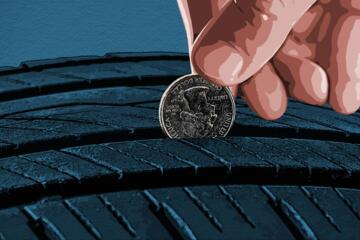
Start with a walkaround and quick checks you can do without tools. Look for uneven tire wear, cracks in sidewalls, and missing valve caps, then confirm that all lights work by turning on headlights and hazards. Check windshield wipers for streaking and confirm washer fluid is topped up. This works because visible defects often correlate with grip loss, water spray problems, and night visibility issues.
Use a tire gauge, not memory.
In practice, you can record tire pressures and compare them to the door-jamb label. Many labels specify a cold pressure target, and you should measure before the tires heat up. If you drive 30 minutes to the gas station, the readings can shift, and that makes the comparison less reliable. A small aside: on my own checklist, I write the target pressure and the measured value on a sticky note, then remove it after the trip.
Verify Fluids And Cooling
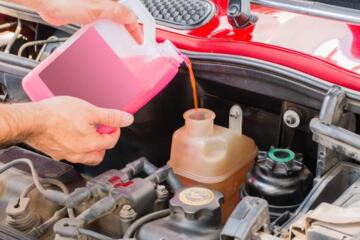
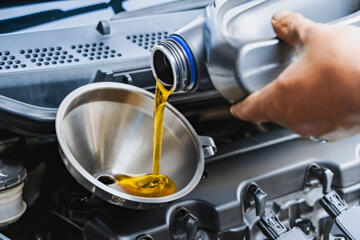
Check engine oil level using the dipstick or the car’s oil level display, then inspect coolant level in the reservoir if your model uses a visible tank. Confirm brake fluid level in the reservoir, and top up windshield washer fluid with the right mix for your climate. This works because low levels can cause overheating, poor braking response, or reduced visibility in rain.
Don’t open a hot radiator.
In practice, avoid opening pressurized cooling components when the engine is hot. If your car uses a sealed coolant system, follow the owner’s manual for inspection intervals rather than guessing. A measurable target helps: many manufacturers recommend checking oil at least monthly or before long trips, and brake fluid should sit between the “MIN” and “MAX” marks. If you see a drop in coolant or oil between checks, you need diagnosis before a long drive.
Plan Breaks For Fatigue
Schedule breaks based on driving time, not just distance. A common planning pattern is a 10–15 minute stop every 2 hours, with longer breaks for meals and stretching. This works because short movement breaks reduce stiffness and help you reset attention, which matters for reaction time.
Set a break rhythm now.
In practice, choose rest stops with restrooms and safe parking so you do not rush. If you use a phone timer, set it once and keep the screen out of your lap while driving. Mild frustration is normal here: many people start with good intentions and then skip the first break when traffic slows. Build in a “no debate” rule for the first scheduled stop, then adjust later if conditions change.
Pack Water And Heat Control
Pack water and a small snack that does not require refrigeration, then add a method for cooling yourself if the cabin gets warm. Bring a reusable bottle, and consider electrolyte packets if you sweat heavily, but avoid over-salting if you have dietary restrictions. This works because dehydration can worsen perceived exertion and headache risk, and steady intake supports alertness.
Hydrate before you feel thirsty.
In practice, aim for frequent small sips rather than large amounts at once. If you are traveling in hot weather, plan for shade and ventilation at stops. A measurable detail helps: many public health guidelines suggest drinking water regularly during heat exposure, and you can follow the guidance for your climate and activity level. If you or a passenger has a medical condition that affects fluid balance, follow your clinician’s advice.
Two Educational Case Examples
Heat Headache After A Missed Check
A driver planned a 5-hour trip in summer heat and skipped cabin air filter inspection because the car “felt fine.” After 90 minutes, they developed a headache and nausea, then noticed the cabin smelled stale. They stopped at the next safe exit, opened windows briefly, and replaced the cabin filter at a nearby shop after confirming the air system was drawing properly. The lesson was not that the filter “caused” illness, but that stale airflow and heat can worsen symptoms and distract you while driving.
They adjusted the plan for the next leg.
Battery Failure After Multiple Short Stops
A family drove a long route with frequent short stops for photos and snacks. The car started reliably at each stop, yet after the final stop it failed to crank, even though no warning light had appeared earlier. They used a jump starter from their kit and completed the trip, then replaced the battery the next day. The lesson was that battery weakness can show up under repeated accessory loads, and a pre-trip battery check could have reduced the risk.
Measure, then trust the numbers.
Road Trip Checklist
| Check | What To Look For | If It Fails | Time Cost |
|---|---|---|---|
| Tire Pressure | Door-jamb cold spec vs gauge reading | Inflate to spec before highway driving | 5–10 minutes |
| Oil And Coolant | Between MIN/MAX marks | Top up or diagnose leaks | 5–15 minutes |
| Brakes Feel | No grinding, no pulling | Get inspected before long descents | 2–5 minutes |
| Break Plan | Stops every ~2 hours | Rebuild schedule around restrooms | 10 minutes |
| Emergency Kit | Tools present and accessible | Replace missing items | 10–20 minutes |
Tradeoffs matter. Don’t overpack.
If you carry too much, you may reduce cabin space for passengers and make it harder to access the kit quickly. If you carry too little, you may face a long wait for roadside help. A balanced approach is to pack only what you can use within 5 minutes of stopping.
Common Mistakes
Skipping the “cold” part of tire pressure checks is a frequent error. Measuring after driving heats the tires and can mask underinflation, which leads to higher rolling resistance and more heat on the road. Another mistake is relying on a single warning light as a go/no-go decision, because many wear issues do not trigger a light until later.
Don’t trust one data point.
People also overpack the trunk and then forget where the jack or inflator kit is stored. When a tire problem happens, you lose time searching, and that increases exposure to traffic and weather. A mild frustration shows up here: drivers remember the kit exists, yet they cannot find it quickly because it moved during a recent grocery run.
FAQ
How far ahead should I check tire pressure?
Check tire pressure the same day as departure, ideally when tires are cold. If you must drive to a station first, measure again after the tires cool, then inflate to the door-jamb specification.
What fluids should I inspect before leaving?
Inspect engine oil level, coolant level if your car uses a visible reservoir, brake fluid level, and windshield washer fluid. If any level is below the MIN mark, address it before the trip rather than topping up once and hoping.
How do I plan breaks to reduce fatigue?
Plan a stop roughly every 2 hours for 10–15 minutes, then add extra time for meals and stretching. Keep the first stop non-negotiable so you do not drift into longer continuous driving.
Do cabin air filters affect comfort on road trips?
They can affect cabin airflow and odor, which influences comfort and concentration. Replace a heavily clogged filter if it is due, and watch for exhaust smells or unusual dizziness that require stopping.
What should I do if the car overheats?
Pull over safely, turn off the engine, and let the system cool before checking coolant. Do not open pressurized components when hot, and contact roadside assistance or a mechanic if temperature stays high or warning lights persist.
Author's Insight
Road-trip prep works best when it treats health and vehicle readiness as linked systems. Fatigue and dehydration reduce attention, and mechanical issues increase the time you spend making decisions under stress. A practical approach is to measure what you can—tire pressure, fluid levels, and tread—and schedule breaks before you start driving. If you notice symptoms like dizziness, chest discomfort, or confusion, stop and seek medical help rather than continuing.
Small checks prevent big detours.
Key Points
Verify tire pressure to the door-jamb cold spec, confirm oil and coolant levels, and check brake feel before departure. Plan breaks every ~2 hours and pack water plus a basic emergency kit so you do not improvise under pressure. These steps reduce the odds of roadside failures and lower fatigue risk during long stretches.