Boiler Efficiency Basics
Boiler efficiency is a comparison between the energy entering the boiler and the heat delivered to the heating system. The confusion starts because “efficiency” can be reported in different ways, and the measurement boundary changes what counts as useful heat. A condensing boiler can show high efficiency on a test label while still delivering less useful heat in a poorly designed or poorly maintained system.
Fuel input is usually measured as the boiler’s rated heat input multiplied by the burn rate, then compared to the heat output measured at the water side. Useful heat output depends on how much of that heat reaches radiators, underfloor loops, or domestic hot water, minus distribution losses in pipes, tanks, and controls. For example, a boiler may produce hot water, but if the system has air in radiators, wrong pump settings, or a stuck mixing valve, the useful heat delivered to rooms drops.
Ratings also differ by test method. Many labels use a standardized test that does not match your exact weather, load profile, or control strategy. I once saw a homeowner compare a label number to their gas bills and feel “cheated,” and the mismatch came from seasonal cycling and distribution losses, not from the boiler “lying.”
Where Efficiency Numbers Mislead
People often treat a boiler’s published efficiency as a direct prediction of fuel cost. That assumption fails because the boiler’s losses change with return temperature, burner modulation, and how long the boiler runs at each load. A system that rarely returns cool enough water to condense will not realize the same gains as the test conditions.
Another common mistake is mixing up input efficiency and useful heat output. Input efficiency typically refers to the ratio of measured heat output to fuel energy content at the boiler outlet under test conditions. Useful heat output is what your building actually receives after losses in piping insulation, heat emitters, hot water cylinders, and standby losses from tanks and flues. If you insulate pipes poorly or leave a cylinder unlagged, the boiler can be “efficient” while the home still feels cold.
Supporting technologies create dependencies that are easy to overlook. Controls such as weather compensation, outdoor reset, and thermostatic radiator valves change how often the boiler runs and at what flow/return temperatures. Flue design and combustion air supply influence draft and combustion quality, which affects flue-gas temperature and condensate formation. Even the type of fuel matters: the energy content used in ratings depends on the fuel’s lower heating value and the standard used by the rating scheme.
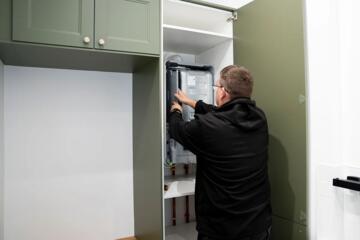
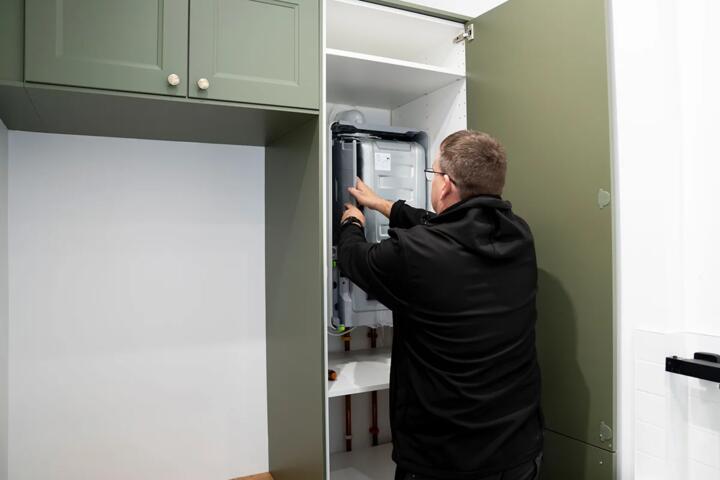
Maintenance also shifts performance. A heat exchanger with soot or scale can reduce heat transfer, raising flue-gas temperature and lowering condensing operation. A blocked condensate drain can force the boiler to behave conservatively, and the system may cycle more than expected. On a service visit in 2024, a technician noted that a partially blocked condensate trap caused intermittent faults, and the homeowner’s “efficiency problem” turned out to be a reliability problem.
How To Measure Useful Heat
Check Return Temperature Behavior
Condensing performance depends on return water temperature relative to the flue-gas dew point. In practice, you want the system to run with return temperatures low enough to form and drain condensate during heating. Use the boiler’s display or a connected thermostat/app to observe flow and return temperatures during typical heating periods. If return temperatures stay high, the boiler may operate mostly as a non-condensing unit even when it is labeled condensing.
Realistic outcome targets depend on system design, but a useful diagnostic is whether condensate is produced during normal operation. If condensate production is absent or rare, the “useful heat output” you get from condensing is likely limited. This is where people get frustrated, because the label number does not tell you how your radiators or underfloor loops will behave under your control settings.
Compare Seasonal Fuel Use
To connect input to useful output, compare seasonal fuel consumption before and after changes, then normalize for weather and occupancy. A simple approach is to track gas or oil meter readings over the same months and compare degree-days if you have access to local weather data. If fuel use drops but indoor comfort stays the same, the useful heat delivered improved. If fuel use drops but rooms remain cold, the loss moved from boiler efficiency to distribution or control problems.
For a rough check, look at boiler run time and modulation behavior. Many modern boilers modulate; if the system is oversized, short cycling can reduce effective heat transfer and increase standby losses. A homeowner can see this by reviewing boiler logs if the model supports it, or by using a plug-in energy monitor for the boiler’s electrical consumption as a proxy for burner cycles (not a perfect proxy, but better than guessing).
Audit Distribution Losses
Useful heat output is limited by how much reaches emitters. Inspect pipe insulation on unheated lofts, cupboards, and external runs. Check cylinder insulation thickness and whether the cylinder thermostat and immersion controls are functioning. Verify that radiator valves are not stuck closed and that thermostatic valves are set consistently with the room strategy.
Distribution issues show up as temperature differences between supply and return that do not match the expected heat transfer for the load. If the boiler runs but return temperatures do not fall when demand increases, the system may be starved of flow due to pump settings, closed valves, or air locks. A practical tool is an infrared thermometer for surface checks, though it cannot replace proper commissioning measurements.
Use Flue-Gas and Combustion Checks
Combustion tuning affects flue-gas temperature and oxygen levels, which influence how much heat is recovered. A qualified service technician can measure flue-gas parameters during operation and confirm that combustion is within manufacturer specifications. This matters because poor combustion can raise flue losses and reduce condensate formation, lowering useful heat output even if the boiler is new.
Ask for the measured values and compare them to the boiler manual’s targets. If you see repeated deviations, the issue may be burner adjustment, gas supply pressure, or venting constraints. I have seen cases where a flue extension changed draft characteristics after a renovation, and the boiler’s performance drifted until the combustion analysis was repeated.
Case Examples With Realistic Limits
Condensing Label, Warm Radiators Only
An anonymized household replaced a non-condensing boiler with a condensing model. The label efficiency looked higher, but the home still used similar fuel. The system had high radiator flow temperatures and a mixing arrangement that kept return temperatures too warm for sustained condensing. After the installer adjusted the weather compensation curve and verified radiator balancing, condensate became regular and the seasonal fuel use dropped modestly, not dramatically.
The lesson was not that the boiler was wrong; the measurement boundary changed. The label reflected test conditions, while the home’s control strategy determined whether the boiler could recover latent heat in real operation.
High Boiler Output, Low Room Heat
A landlord reported that the boiler ran frequently and the cylinder water reached setpoint, yet tenants complained about uneven heating. The boiler’s display showed normal temperatures, but several radiators had trapped air and one thermostatic valve was stuck. The boiler delivered heat to the system, but useful heat output to rooms was reduced by distribution problems and local flow restrictions. After bleeding radiators, correcting valve operation, and checking pump settings, the boiler run time decreased and comfort improved.
This scenario shows how boiler efficiency and system efficiency diverge. A “good” boiler cannot compensate for blocked emitters, incorrect balancing, or poor insulation on distribution pipes.
Efficiency Checklist And Table
Use this decision support to separate boiler performance from system performance. The goal is to identify where the missing useful heat is going.
| Check | What To Look For | Likely Cause If Off | Next Step |
|---|---|---|---|
| Return Temperature | Return stays high during heating | Control curve too aggressive, mixing valve behavior, radiator sizing | Review weather compensation and balancing; verify sensor placement |
| Condensate Production | Condensate rarely forms | Return too warm, flue/venting limits, condensate drain restriction | Inspect condensate trap/drain; confirm operation during typical demand |
| Seasonal Fuel Use | Fuel use unchanged after upgrades | Weather/occupancy mismatch, short cycling, distribution losses | Normalize by degree-days; check run-time logs and pipe insulation |
| Combustion Measurements | Flue-gas values out of spec | Burner adjustment, gas pressure, venting constraints | Request flue-gas analysis and compare to manufacturer targets |
Step-by-step checklist for a practical evaluation:
- Record boiler flow and return temperatures during normal heating for at least two days, including one colder day.
- Confirm whether condensate drains during those periods and whether the condensate line is clear.
- Track seasonal fuel use and normalize for weather using degree-days if you can.
- Inspect distribution losses: pipe insulation, cylinder lagging, and radiator valve operation.
- Request a combustion check with measured flue-gas parameters if performance remains poor.
Common Mistakes That Waste Money
People sometimes replace a boiler based on label efficiency alone, then discover that the system cannot run at low enough return temperatures to benefit from condensing. Another frequent error is changing the boiler without commissioning the controls, so the weather compensation curve and radiator balancing remain mismatched to the new heat exchanger.
Some homeowners chase “efficiency” by adjusting setpoints upward. Higher flow temperatures can reduce comfort complaints short-term, but they usually increase flue losses and reduce condensing recovery. The result is often higher fuel use with no lasting comfort improvement, and the boiler cycles more because rooms reach setpoint faster.
Another mistake is ignoring distribution and hot water losses. A cylinder with poor insulation or a faulty cylinder thermostat can dominate fuel use even when boiler efficiency is high. In one anonymized scenario, a tenant noticed hot water was lukewarm and the boiler ran more; the root cause was a cylinder control issue, not the boiler heat exchanger.
Finally, some comparisons use short billing periods. A week of mild weather can hide the effect of a change, and a cold snap can exaggerate it. A longer seasonal view reduces noise, even if it still cannot perfectly match your exact occupancy and thermostat behavior.
FAQ
What Is The Difference Between Input And Useful Heat?
Input efficiency compares fuel energy entering the boiler to heat measured at the boiler output under defined test conditions. Useful heat output is the heat that reaches rooms or hot water after losses in pipes, tanks, emitters, and control behavior.
Why Does A Condensing Boiler Sometimes Not Condense?
Condensing requires return temperatures low enough for flue-gas water vapor to condense. High return temperatures, certain mixing valve behavior, or system controls that keep flow too hot can prevent sustained condensate formation.
How Can I Estimate Seasonal Performance Without Lab Data?
Track fuel use across the same months before and after changes, then normalize using degree-days if possible. Combine that with observations of boiler run time, modulation, and whether condensate drains during typical demand.
Do Boiler Labels Predict Fuel Bills Accurately?
Labels reflect standardized test conditions and do not match your building’s load profile, weather, and distribution losses. They can guide comparisons, but fuel bills depend on system design, controls, and maintenance.
What Measurements Should A Technician Take?
Ask for combustion measurements such as flue-gas temperature and oxygen/CO readings, plus checks of condensate drainage and any manufacturer-specified targets. Those measurements connect combustion losses to useful heat output.
Author's Insight
Boiler efficiency is a measurement with boundaries, not a single universal number. Input efficiency describes how much of the fuel’s energy becomes heat at the boiler under test conditions, while useful heat output depends on return temperatures, control strategy, and distribution losses. The most reliable evaluation uses seasonal fuel data plus operational observations like return temperature trends and condensate behavior. When those indicators conflict with label expectations, the missing heat usually sits in controls, balancing, insulation, or combustion tuning rather than in the fuel meter itself.
Key Takeaways
- Separate boiler input efficiency from useful heat output; system losses can dominate even with a high-efficiency boiler.
- Condensing gains depend on return temperature and sustained operation under real loads, not on the label alone.
- Use seasonal fuel tracking and simple operational checks to connect numbers to outcomes.
- Distribution losses, control settings, and combustion tuning often explain “efficiency gaps” more than the boiler rating does.