Engine Fluids: What Matters
Modern cars depend on multiple fluid systems that do different jobs: lubricating moving parts, carrying heat, transmitting hydraulic force, and cleaning the windshield. A low fluid level can cause symptoms that look unrelated, like overheating that starts as a slow coolant drop, or hard shifting that begins with a transmission fluid level that drifted over time.
Start with the fluids your owner’s manual lists for your specific engine and drivetrain. Many manuals group them by system and specify the correct fluid grade, such as an oil viscosity (for example, 0W-20) and a coolant type. If you refill with the wrong grade, the car may still run, but wear and corrosion risks rise, and warranty disputes become harder to defend.
Practical example: a driver notices the temperature gauge climbs slightly on hot days. The coolant reservoir shows a level below the “MIN” mark after a week of driving. That pattern points to a cooling system leak or evaporation, not a random sensor issue, and it guides what to inspect next.
Common Inspection Mistakes
People often check fluid levels at the wrong time. Engine oil and many transmission fluids require a specific temperature and parking condition, and the dipstick reading changes as the fluid warms and drains back. Brake fluid level checks also depend on the reservoir design, and some reservoirs have a minimum line that moves with brake pad wear.
Another frequent error is topping off without identifying the cause. If coolant drops, refilling alone hides the leak and can lead to air pockets that reduce heat transfer. If brake fluid drops, topping off can mask a leak in a caliper, line, or master cylinder, and the pedal feel can degrade later.
Fluid inspection depends on supporting technologies: pressure caps, level sensors, dipsticks, and seals. Cooling systems use a pressure cap to raise the boiling point; if the cap is weak, the system may vent more often. Automatic transmissions rely on hydraulic pressure and temperature-dependent viscosity, so a “cold” check can mislead. Power steering systems vary widely; some use a reservoir and dipstick, others use sealed units with no routine level service.
Finally, many drivers skip the “smell and look” step. Dark, gritty oil can indicate contamination; coolant that looks rusty or oily can indicate internal mixing. Those observations matter because they change the next action from “refill” to “diagnose.”
How To Check Each Fluid
Engine Oil And Filter
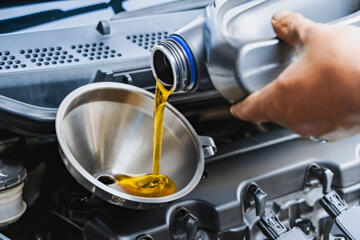
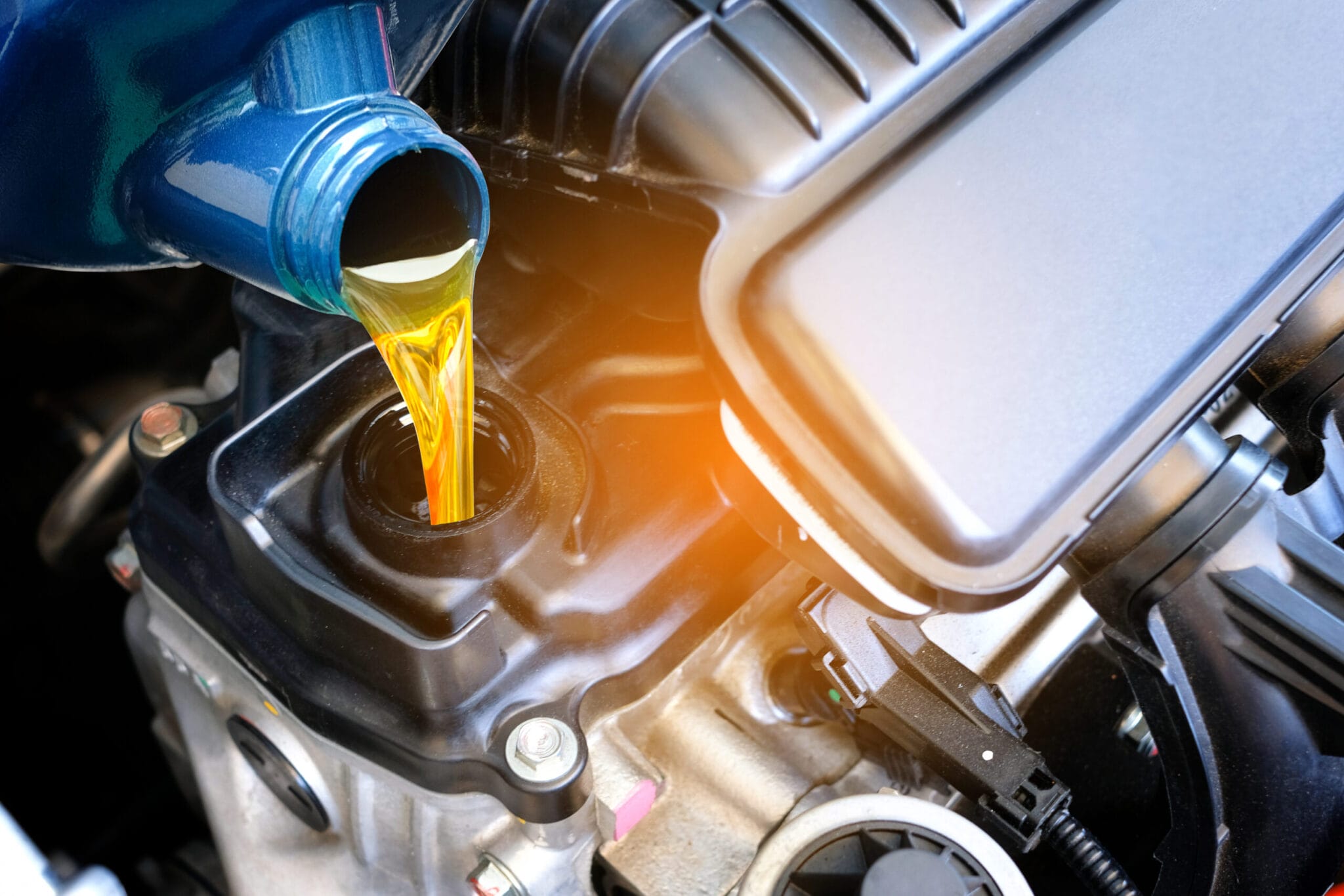
Check oil with the engine off and the car on level ground, following your manual’s warm-up guidance. Pull the dipstick, wipe it with a clean lint-free cloth, reinsert fully, then read the level at the marked range. If the level sits near the lower mark, add oil in small increments, then recheck after a short wait so oil drains back to the pan.
Use the oil grade listed in the manual, including viscosity and any required specification. For example, many modern engines specify an API or ACEA performance category; the label on the bottle should match. If you see “overfilled” oil, stop adding and arrange service, since excess oil can aerate and increase crankcase pressure.
Aside: I’ve seen owners add a full quart after a quick glance at the dipstick, then overshoot by a noticeable margin. The dipstick markings exist for a reason, and the drain-back time is where the error usually happens.
Coolant Level And Condition
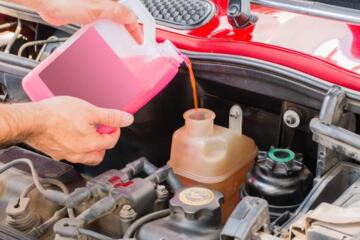
Check coolant when the engine is cool. Open the cap slowly only if your manual permits; many systems use a pressurized expansion tank where the cap should not be removed hot. Look for the level between the “MIN” and “MAX” marks on the reservoir, or follow the fill line guidance if your car uses a different layout.
Use the coolant type specified by the manufacturer. Mixing coolant chemistries can reduce corrosion protection, and some cars require a specific OAT/HOAT formulation. If the reservoir is empty, do not assume “it’s just evaporation” after repeated low readings; inspect hoses, clamps, and the radiator area for wetness.
Small outcome target: after a correct top-up, the level should stabilize over the next several drives. If it drops again within days, treat it as a leak investigation, not a repeat-refill cycle.
Brake Fluid And Power Steering
Brake fluid lives in a sealed reservoir on the master cylinder. Check the level against the reservoir marks with the car parked. Brake fluid should not be topped off with random fluid; use the DOT specification printed on the cap or in the manual (commonly DOT 3 or DOT 4). If the level is low, inspect for leaks and avoid driving if the pedal feel changes.
Power steering varies. Some vehicles use a reservoir with a dipstick-like indicator; others use a sealed system with no routine service. If your manual calls for a level check, use the specified fluid type and avoid overfilling, since foaming can cause noisy operation.
Mild frustration note: the reservoir labels are often faded, and the cap may be the only readable source of the DOT or fluid type. A flashlight helps more than guessing.
Case Examples
Coolant Drop With No Overheating
An anonymized driver checks the coolant reservoir after noticing a faint sweet smell near the front of the car. The engine temperature gauge stays normal during short trips, but the reservoir level sits below the “MIN” line after a week. The driver inspects the radiator hose connections and finds a damp spot near a clamp, then replaces the hose and clamp. After refilling with the specified coolant type, the level remains stable over multiple drives.
This scenario shows why “no overheating” does not rule out a leak. Small losses can occur without immediate gauge movement, especially if the car runs mostly in moderate conditions.
Oil Level Confusion After Short Trips
An anonymized driver checks oil after a 10-minute commute and sees the dipstick near the lower mark. The next day, after a longer drive, the reading appears higher. The driver repeats the check on level ground with the engine off and follows the manual’s temperature guidance. The oil level lands in the normal range, and the driver stops adding oil.
This case highlights temperature and drain-back effects. Dipstick readings can shift enough to trigger unnecessary top-offs when the check timing does not match the manual.
Quick Comparison
Use the table as a decision aid for what to check and what to do when levels look off. Always confirm the exact procedure in your owner’s manual because reservoir layouts and check conditions vary.
| Fluid System | When To Check | What “Low” Usually Means | Next Step |
|---|---|---|---|
| Engine Oil | Engine off; level ground; follow warm/cool guidance | Consumption, leak, or incorrect check timing | Add correct grade in small amounts; recheck; inspect for leaks if repeat |
| Coolant | Engine cool; check reservoir marks | Leak, cap issue, or air in system | Top up with specified coolant; inspect hoses/clamps; service if it drops again |
| Brake Fluid | Car parked; reservoir marks visible | Pad wear effect or a leak | Use correct DOT fluid; if low or pedal changes, inspect system |
| Transmission Fluid | Follow manual: temperature + gear position | Level drift from leaks or incorrect check conditions | Verify procedure; top up only with specified fluid; service if it repeatedly drops |
| Washer Fluid | Any time; reservoir level | Empty reservoir or clogged nozzle | Refill with correct concentrate; if no spray, check pump/nozzles |
Step-by-step checklist for a safe DIY session:
- Park on level ground and gather the manual, a flashlight, gloves, and a lint-free cloth.
- Confirm the fluid specification printed on the cap or in the manual before opening any container.
- Check oil and coolant first, since they often require cool-down and careful timing.
- Check brake fluid level and reservoir condition; do not top off if the level is far below the mark or if the pedal feel changes.
- Check transmission only using the manual’s temperature and gear-position procedure.
- Top up in small increments, then recheck after the manual’s drain-back guidance.
- Wipe spills immediately and record the date and reading so you can spot repeat drops.
Aside: I keep a note in my phone labeled “Car Fluids” with the last reading date; on 2026-01-14 I caught a slow coolant drop because the note showed a level change from the prior month.
Common Mistakes To Avoid
Do not mix fluid types based on color. Coolant can be dyed, brake fluid can look clear, and transmission fluid can vary from amber to red depending on formulation. Color is not a specification.
Do not open pressurized caps on a hot engine. Coolant systems use pressure to raise boiling point, and removing a hot cap can cause burns. If the reservoir is empty, wait for full cool-down and follow the manual’s bleeding or refill procedure.
Do not ignore warning lights. Low oil pressure, overheating, and brake system warnings indicate conditions that can escalate quickly. A top-up can be a temporary fix, but it does not replace diagnosing the underlying leak or sensor fault.
Do not overfill. Overfilled oil can increase crankcase aeration and worsen lubrication under load. Overfilled coolant can vent and create a mess, and overfilled brake fluid can complicate service. When you overshoot, stop adding and correct the level through proper service steps.
Do not rely on “it looks full.” Reservoir marks exist for a reason, and some cars show misleading levels due to tank shape. A flashlight and a straight-on view reduce reading errors.
FAQ
How Often Should I Check Oil?
Check oil at intervals recommended by your owner’s manual and before long trips. Many manuals suggest checking at least monthly or every few thousand miles, then topping up only to the specified range.
Can I Add Coolant Without Knowing the Type?
Do not add coolant without matching the type listed in your manual or on the coolant label. Mixing coolant chemistries can reduce corrosion protection and complicate future service.
What Happens If Brake Fluid Drops?
A low brake fluid level can indicate pad wear or a leak. If the level is below the minimum mark or the pedal feel changes, inspect the brake system and avoid driving until it’s checked.
Why Does Transmission Fluid Reading Change?
Automatic transmission fluid level depends on temperature and gear position. Checking at the wrong temperature or with the wrong gear selection can produce a misleading low or high reading.
Is It Safe To Top Up Power Steering Fluid?
Only top up if your manual specifies a level check and the fluid type. Many systems are sealed; adding fluid to a sealed system or using the wrong fluid can cause foaming or seal issues.
Author's Insight
Engine-fluid checks work best when you treat each system as a measurement problem with a defined procedure. Oil and transmission levels depend on temperature and parking conditions, while coolant depends on pressure-cap behavior and correct fluid chemistry. Brake fluid level checks depend on reservoir design and can signal leaks when levels fall beyond normal pad wear effects.
When you record readings and dates, you turn a one-time “low” observation into a trend you can act on. If a level drops again after a correct top-up, the next step shifts from refilling to diagnosing the leak source or service requirement.
For tools, a flashlight, lint-free cloth, and the correct fluid specification matter more than fancy equipment. A small spill cleaned immediately also prevents corrosion and keeps future inspections accurate.
Key Takeaways
Check fluids using the timing and conditions in your owner’s manual, since oil and transmission readings change with temperature and drain-back. Use the exact fluid specification printed in your manual or on the reservoir cap, not color or “looks like” matches. Treat repeated low levels as a leak or service issue rather than a reason to keep topping up. Record your readings after each session so you can spot trends before warning lights appear.