Winterizing Basics
Winterizing a car means reducing the chance of starting failures, traction loss, and corrosion during freezing temperatures and road salt exposure. The work is mostly mechanical and chemical: battery capacity drops in cold air, tire rubber stiffens, and moisture plus salt accelerates rust. A practical approach starts with a short inspection, then adds a few targeted replacements or adjustments based on what you find.
For example, a car that starts normally in mild weather can struggle after several nights below freezing because the starter motor draws more current and the battery’s chemical reactions slow down. Tire grip also changes: a tire that feels fine on dry pavement can slide on packed snow or slush. Wiper blades wear faster when they scrape ice, and washer fluid that freezes can leave you with no visibility at the worst time.
Common Winter Failures
People often focus on “engine readiness” and miss the systems that cause winter breakdowns even when the engine is healthy. The battery and charging system are the top culprits because cold weather increases electrical load and reduces available battery power. A weak battery can still crank in mild mornings, then fail after a week of cold snaps.
Tires are another frequent failure point. Drivers may keep all-season tires past their tread-life limit, then discover that worn tread channels water poorly and snow traction degrades. Tire pressure also matters: cold air lowers pressure, and underinflation increases sidewall flex, which can worsen handling and raise wear.
Brakes and underbody components face a different set of risks. Road salt and moisture attack wheel bearings, brake hardware, and brake lines. Even when braking performance feels normal, corrosion can cause sticking calipers or seized hardware, which shows up as pulling, uneven pad wear, or a parking brake that won’t release.
Winter Prep Checklist
Battery, Cables, And Charging
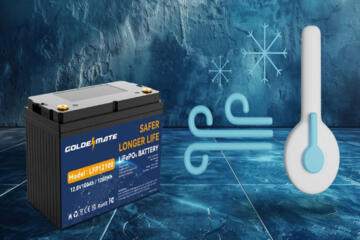
Start with a battery test that measures cold-cranking performance, not just surface voltage. Many auto parts stores and service shops can run a load test or a conductance test; ask for a result that reflects starting ability in cold conditions. If the battery is older than about 3–5 years, cold mornings can expose weakness even if the car starts most days.
Inspect terminals for corrosion and ensure clamps are tight. A light coating can be cleaned with the correct terminal cleaner, but heavy corrosion often means the cable ends need replacement. If you keep a battery charger, use a model with a proper charge profile for lead-acid batteries; a basic “trickle” charger can overcharge some batteries, and it rarely works the way the docs say.
Also check the alternator output during a short drive and at idle. A charging system that undercharges by a small amount can still run the car, then leave you stranded after a few cold starts. On one winter morning in my notes from a shop inspection (not a personal account), a battery that read “12.4 V” at rest failed a load test because internal resistance was high.
Fluids, Wipers, And Visibility
Verify engine coolant concentration with a refractometer if you can access one, since “top off with water” can dilute protection. Use the coolant type specified for your vehicle; mixing incompatible chemistries can reduce corrosion protection. Washer fluid should be rated for the local minimum temperature, and the label’s freeze point matters more than the brand name.
Replace wiper blades if they streak, chatter, or leave thin ice-like smears. Wiper performance depends on blade rubber condition and the arm’s spring tension; worn blades can look fine until they meet freezing spray. If your car has headlight washers, check the fluid line and ensure the system isn’t clogged.
Brake fluid absorbs moisture over time. If your brake fluid is near the end of its service interval, cold weather can worsen pedal feel because moisture can lower the boiling point under hard braking. A simple test strip or shop measurement can guide whether a fluid change is due.
Tires, Alignment, And Traction
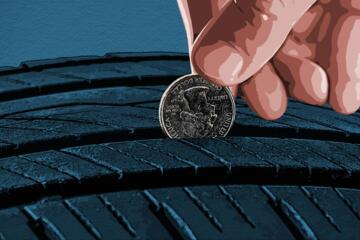
Check tread depth and tire age. Tread depth affects snow and slush traction, and sidewall condition affects blowout risk on potholes that appear after freeze-thaw cycles. If you use winter tires, confirm they match the vehicle’s wheel size and load rating; swapping to winter tires changes grip behavior and braking distances.
Set tire pressure to the door-jamb specification for cold tires, then recheck after a few days of driving. Cold air can drop pressure by several psi, and underinflation can increase rolling resistance and heat. If you carry a tire gauge, choose one that’s accurate enough for your use; cheap gauges can drift.
For traction, consider a snow brush and ice scraper you actually use. A small aside from a winter safety training session: drivers often keep a brush in the trunk, then discover it’s too small for the windshield area when the ice layer is thick.
Case Examples For Real Life
Battery Warning After A Freeze
A driver in an apartment parking lot noticed a “battery/charging” warning after several cold nights. The car started, but the warning returned after short trips. A shop measured battery internal resistance and found it had risen sharply; the alternator output was within spec, but the battery could not hold charge under load. After replacing the battery and cleaning terminals, the warning stopped and cold starts became reliable.
The lesson: a resting voltage reading can look acceptable while starting performance fails. A load test or cold-cranking assessment gives a more winter-relevant picture.
Wiper Failure During Ice Rain
A driver prepared with winter washer fluid but left old wiper blades on the car. During an ice-rain event, the blades smeared and then skipped, leaving streaks that made lane markings hard to read. Replacing the blades restored visibility, and the driver also switched to a washer fluid rated for the expected low temperature. The car’s rain-sensing feature did not solve the problem because the blade rubber was already worn.
The lesson: washer fluid rating matters, but blade condition controls how well the system clears ice film.
Winter Checklist And Tradeoffs
| Task | What You Check | Typical Outcome | Decision Trigger |
|---|---|---|---|
| Battery test | Load test or cold-cranking assessment | More reliable starts in freezing mornings | Battery fails load test or is 3–5+ years old |
| Tire pressure | Door-jamb spec at cold temps | Better handling and less wear | Pressure drops after cold nights |
| Tread and age | Tread depth and sidewall condition | Improved snow and wet grip | Tread is low or tires show cracking |
| Coolant concentration | Freeze protection level | Reduced risk of freezing and corrosion | Concentration is diluted or unknown |
| Wipers and washer fluid | Blade streaking and freeze rating | Clear visibility during storms | Streaking persists or fluid freezes |
| Brake hardware | Uneven wear, sticking, rust | Consistent braking and parking brake release | Pulling, dragging, or hardware corrosion |
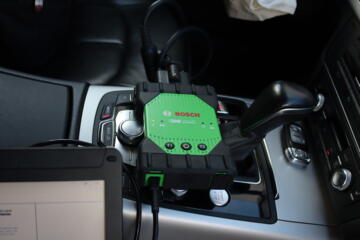
Step-by-step checklist for a 45-minute session: check tire pressure and tread, inspect battery terminals, confirm washer fluid freeze rating, test wipers for streaking, verify coolant level and type, then inspect lights and brake warning indicators. If any warning lights appear, record the codes with an OBD-II scanner before clearing them, since clearing can hide the pattern that helps diagnosis.
Practical Mistakes To Avoid
Skipping a battery test is the most common error. Many drivers rely on “it starts every day,” then discover the battery fails under the higher current draw of cold starts. A battery that cranks slowly is already telling you something.
Another mistake is topping off fluids with the wrong product. Adding water to coolant changes freeze protection and can increase corrosion risk. Using washer fluid that freezes leaves you with a dry reservoir and no way to clear salt film.
Drivers also overestimate all-season tires on snow. All-season tires can work in light snow, but packed snow and ice require different tread compounds and patterns. Even winter tires do not eliminate stopping distance; they change it.
People sometimes apply corrosion sprays too broadly. Overspray on brake rotors or tire tread can create noise, reduce traction, or contaminate surfaces that need clean contact. Follow label instructions and keep product off friction surfaces.
Finally, ignoring warning lights delays the fix. A traction control or ABS light can indicate a wheel-speed sensor issue that affects stability behavior. If you see a light, check the owner’s manual for the specific system and schedule a diagnosis.
FAQ
What temperature makes batteries fail more often?
Battery starting performance drops as temperatures fall below freezing because chemical reactions slow and internal resistance rises. A battery that starts reliably at mild temperatures can struggle after several nights of deep cold, especially with short trips that don’t fully recharge it.
Should I switch to winter tires or keep all-seasons?
Winter tires are designed for colder temperatures and snow conditions, while all-seasons are a compromise. If your driving includes frequent snow, slush, or sustained sub-freezing nights, winter tires usually improve traction and braking consistency, but they still cannot prevent skids on ice.
How do I choose washer fluid for freezing weather?
Use a washer fluid labeled for the lowest temperature you expect in your area. Check the label’s freeze point, not just the brand, and keep the reservoir filled before the first freeze so you don’t end up with a partially frozen system.
Can I winterize without replacing parts?
Yes, many cars only need checks and minor service: correct tire pressure, clean terminals, fresh wiper blades, and verified coolant concentration. If a battery fails a load test or tires show cracking and low tread, replacement becomes the practical path.
How often should I rinse underbody salt?
Rinse frequency depends on how often you drive on salted roads and how much precipitation you get. A common approach is to rinse after heavy salt exposure when conditions allow, since repeated salt buildup increases corrosion risk on brake hardware and underbody components.
Author's Insight
Winterizing work is mostly risk management: you reduce the probability of no-start events, traction loss, and corrosion-related failures. Battery load testing and coolant concentration checks map directly to cold-start reliability and freeze protection, while tire pressure and tread condition map directly to grip and braking behavior.
Because modern cars tie multiple systems to wheel-speed and battery voltage, small issues can trigger warning lights that change how stability and traction control behave. Recording warning codes with an OBD-II scanner before clearing them helps diagnosis when symptoms repeat.
For any step that involves coolant type, brake fluid, or corrosion products, the owner’s manual and the product label are the most reliable references. If you share your vehicle make, model, and typical winter temperatures, a more specific plan can be built around the exact service intervals.
Key Takeaways
Test the battery under load, verify coolant freeze protection, and set tire pressure to the door-jamb spec for cold tires. Replace wiper blades when streaking appears and use washer fluid rated for your expected low temperature.
Inspect brake hardware for corrosion and watch for ABS or traction control warning lights, since sensor issues can affect winter stability behavior. Avoid topping off with the wrong fluids and avoid overspraying corrosion products onto friction surfaces.
Do the checks before the first deep freeze, then recheck tire pressure after a few cold nights and after any long trip. A short, evidence-based pre-winter session usually prevents the most common cold-weather surprises.