Mid-Market Rate Basics
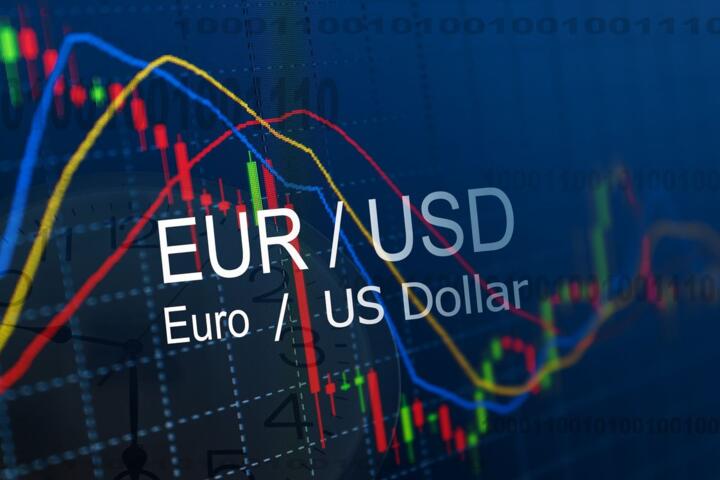
The mid-market rate is the exchange rate quoted near the middle of the market between buying and selling currencies. Banks and card issuers rarely use it as the final customer rate because they face funding costs, risk, and operational expenses. In practice, you see the mid-market rate referenced in apps and FX dashboards, then you see a different rate at checkout or at the ATM.
For a concrete example, imagine you want to convert USD to EUR. The mid-market rate might be 0.9200 EUR per USD, while your bank’s posted rate could be 0.9150. That 0.0050 difference is not a random rounding error; it often reflects a spread plus any fees. When you compare offers, you want to separate the “rate” from the “total cost,” because the same headline rate can hide different fee structures.
Card transactions add another layer: the card network may set a wholesale rate for the day, then the issuer applies its own markup. Cash withdrawals can be worse because the ATM operator and your bank may both charge fees, and the conversion may happen at a different time than you expect. I once saw a rate change between the authorization time and the settlement date on a statement dated a few days later, which made the effective rate look “mysterious” until the timeline was clear.
Where People Get Misled
Many people focus on the displayed exchange rate and ignore the spread and fees that turn a good-looking rate into a worse effective rate. A common pattern: the bank shows a “rate” that already includes a markup, while the fee disclosure appears in a different section of the pricing schedule or in fine print on the transaction screen.
Another confusion comes from timing. FX rates move during the day, so the rate you see in an app at 10:00 may not match the rate used when the bank processes the transaction. For card payments, authorization and settlement can occur on different dates, and the issuer may apply a rate tied to settlement. That means the mid-market rate you check after the fact can differ from the mid-market rate at the moment the conversion occurred.
Supporting technologies also matter. Banks typically hedge currency exposure using interbank FX markets, and they price that risk into the spread. Card networks and payment processors handle multi-currency routing, and they may apply their own wholesale conversion rules before the issuer’s markup. Even the “no-fee” marketing claim can still include a spread in the rate, which is why you should compare effective rates, not just fees.
Finally, people sometimes assume that the mid-market rate is a guarantee. It is a reference point, not a promise. If an offer says “mid-market,” you still need to check whether there is a separate service fee, a minimum charge, or a different rate for certain transaction types like cash withdrawals.
How To Compare Real Costs
Estimate The Effective Rate
Start by calculating the effective rate from the numbers on your statement. If you paid in one currency and your bank converted it to another, use the “amount you were charged” divided by the “amount you bought” in the original currency. This captures both the spread and any fixed fees. For example, if you charged 100 USD and the statement shows 91.20 EUR after fees, your effective rate is 0.9120 EUR per USD, regardless of what the mid-market rate was that day.
When the statement shows only a converted amount and a fee line, add the fee to the converted amount in the target currency terms only if the fee is charged in the same currency. If the fee is charged in a different currency, you need the fee’s conversion too, which can require checking the fee’s own exchange rate on the statement. I find it helps to export transactions to a spreadsheet and label columns for “original amount,” “converted amount,” and “fees,” then compute the implied rate per transaction.
Check Fees By Transaction Type
Separate three cases: card purchases, cash withdrawals, and bank transfers. Card purchases often include a markup in the exchange rate plus a separate foreign transaction fee in some pricing plans. Cash withdrawals can include an ATM fee plus a bank fee, and the conversion may be applied by the ATM network or by your bank depending on the card type and country.
Bank transfers can look cheaper because they may use a wholesale rate, but they can still include intermediary bank charges and correspondent fees. Those charges sometimes appear as “OUR” or “SHA” style fee arrangements in international transfer instructions, and the recipient may receive less than expected. If you see a transfer quote, ask what fees are included and who bears intermediary charges, because the mid-market rate alone cannot answer that.
Use Rate Alerts Carefully
Rate alerts and FX apps often display the mid-market rate. Treat them as a reference for when to convert, not as the conversion rate you will receive. If an app offers “mid-market plus a fee,” confirm the fee schedule and whether it changes by amount or by payment method. Some services charge a percentage fee, others charge a fixed fee, and a few apply different pricing for card funding versus bank funding.
Also watch for “dynamic currency conversion” offers at merchants. Those offers can present a rate that looks competitive but includes a markup, and they may charge a fee for the convenience. If you have a choice, paying in the local currency usually avoids the merchant’s conversion markup, though your issuer still applies its own spread.
Compare Offers With A Like-For-Like Test
Pick a test amount you actually use, then compare the total cost end-to-end. For example, compare converting 200 USD to EUR using three methods: a card purchase, an ATM withdrawal, and an online conversion service. Record the final EUR received or charged, then compute the effective rate and total fees. This avoids misleading comparisons where one provider quotes a good rate but charges a higher fixed fee.
Realistic outcomes vary by country and card type, so focus on relative differences rather than expecting a universal “best” option. In many consumer cases, the spread on card conversions is often larger than the spread on bank transfers, while cash withdrawals can add extra fees that dominate the spread. If your pricing plan lists a foreign transaction fee percentage, treat it as a separate cost line and compare it to the spread difference you observe.
Case Examples For Clarity
Card Purchase After Rate Drift
An anonymized traveler buys a 300 GBP hotel deposit with a card issued in USD. The traveler checks a mid-market rate app the same day and sees a rate that looks favorable. On the statement, the converted amount is slightly worse because the issuer applied a different rate at settlement a few days later, and the pricing plan includes a foreign transaction fee. The effective rate on the statement matches the issuer’s combined spread and fee structure, not the mid-market rate the traveler checked at authorization.
The lesson is not to blame the app. The app shows a reference rate, while the issuer uses its own conversion timing and pricing. If you want to reduce surprises, check your card’s pricing terms for foreign transaction fees and review how the statement describes the conversion date.
ATM Withdrawal With Multiple Fees
An anonymized student withdraws cash in Japan using an international debit card. The ATM screen shows an exchange rate and a choice between being charged in local currency or in the home currency. The student chooses local currency to avoid merchant conversion, but the bank still applies a spread and charges a foreign cash withdrawal fee. The ATM operator also charges a separate withdrawal fee, which appears as a line item on the statement.
When the student computes the effective rate, the spread looks moderate, but the total cost is dominated by the two fees plus the conversion markup. This scenario shows why you should compare total cost, not just the rate displayed on the ATM screen.
Mid-Market Vs Bank Spread
| Parameter | Mid-Market Rate | Bank Spread Rate | Where You See It |
|---|---|---|---|
| Reference point | Middle of buy/sell quotes | Customer rate after markup | FX apps, market dashboards |
| Fees included | Usually not | Often mixed into rate and/or lines | Pricing pages, statements |
| Timing | Snapshot or streaming quote | Authorization/settlement dependent | Checkout, ATM, statement dates |
| What to compare | Reference for planning | Effective rate and total cost | Transaction totals |
Decision checklist for a conversion you will actually make:
- Find the pricing terms for your card or bank account and note any foreign transaction fee percentage and any cash withdrawal fee.
- Check whether the conversion uses authorization date or settlement date; if the terms do not say, assume settlement can differ.
- For ATM use, avoid merchant dynamic currency conversion when you see a choice, and record the ATM fee shown on-screen.
- Compute the effective rate from the statement after the transaction posts, then compare it to the mid-market rate on the statement’s conversion date if available.
- Repeat the test for one more transaction type, because card purchases and cash withdrawals often behave differently.
Common Mistakes To Avoid
One mistake is comparing a mid-market rate from a random time to a bank’s final converted amount. The conversion may happen at settlement, and the bank may apply its own pricing model. If you want a fair comparison, compare to the mid-market rate closest to the conversion date shown on your statement.
Another mistake is assuming that “no foreign transaction fee” means “no markup.” Issuers can still apply a spread in the exchange rate even when they do not charge a separate percentage fee. In a pricing review I did for a consumer account in 2024, the fee schedule listed no foreign transaction fee, yet the effective rate still differed from mid-market by a consistent margin.
People also overlook currency of fees. If your bank charges a fixed fee in your home currency, the effective cost changes with FX movement. That can make two transactions of the same size look different on statements.
Finally, some readers rely on ATM screens that show a conversion rate without showing all fees. The ATM operator fee and your bank’s fee can turn a “good” displayed rate into a worse overall outcome. The only reliable view is the posted statement totals.
FAQ
Is The Mid-Market Rate The Rate I Will Get?
No. The mid-market rate is a reference quote. Your bank or card issuer typically applies a spread and may add separate fees, so the effective rate on your statement usually differs.
Why Does My Statement Rate Differ From The App?
Because the app shows a mid-market reference, while your issuer applies its own conversion timing and pricing. Authorization and settlement dates can differ, and the issuer may use a rate tied to settlement.
Do Banks Use The Same Spread For Cards And ATMs?
Not always. Card conversions and cash withdrawals often follow different processing paths, and cash withdrawals can include both ATM operator fees and issuer fees.
How Can I Compare Two Providers Fairly?
Compare total cost for the same transaction type and amount. Use the effective rate from the final converted totals on the statement or receipt, not the mid-market quote.
What Is Dynamic Currency Conversion?
Dynamic currency conversion is when a merchant offers to charge you in your home currency. It usually includes a markup, so choosing to pay in the local currency often avoids that merchant conversion.
Author's Insight
Mid-market rates function as a planning reference, while bank spreads and fees determine the customer outcome. The most reliable way to judge cost is to compute the effective rate from posted transaction totals and then compare it to a mid-market reference for the conversion date. Pricing terms often separate “foreign transaction fees” from “exchange rate markup,” which is why two offers can look similar until you total them. If you want fewer surprises, track one transaction end-to-end and note the statement’s conversion date; that single data point usually explains most of the mismatch.
Key Takeaways
- Mid-market is a reference; your bank’s effective rate includes spread and may include separate fees.
- Timing matters: authorization and settlement can change the rate used for card conversions.
- Compare total cost and compute the effective rate from statement totals for each transaction type.
- Cash withdrawals often add multiple fees, so the spread rarely tells the whole story.
- Dynamic currency conversion can add a markup at the merchant level; paying in local currency often avoids that layer.